Japan 21 Days Solo - Oct/Nov 2026

All 112 places on this map are pinned at their exact location, grouped into 19 areas (Day 1 - Arrival in Shinjuku, Day 2 - Shibuya & Harajuku, Day 3 - Tsukiji, Asakusa & Shinjuku Night and more). Each one comes with a short note on what it is and why it is worth your time. Browsing is free, and with an Ikuzo account you can copy the whole map and reshape it into your own trip.
Day 1 - Arrival in Shinjuku
Shinjuku Granbell Hotel
Day 1. Base for the Tokyo stretch. Keep the first evening easy around Shinjuku.
Day 2 - Shibuya & Harajuku
Meiji Jingu
Day 2. Serene forest shrine, go early before the crowds.
Takeshita Street
Day 2. Harajuku's chaotic teen fashion street, quick first-timer look.
Shibuya Scramble Crossing
Day 2. The famous scramble. Fun at street level, even better from above.
Hachiko Statue
Day 2. Quick photo with the loyal dog.
Shibuya Sky
Day 2. Book a sunset slot well in advance, one of the best views in Tokyo.
Day 3 - Tsukiji, Asakusa & Shinjuku Night
Tsukiji Outer Market
Day 3. Go early and hungry. More tourist food market than tuna-auction icon these days, but still a great graze.
Ginza
Day 3. Polished shopping district. The depachika food halls are worth a look.
Senso-ji
Day 3. Tokyo's oldest temple. Early morning or evening beats the midday crowds.
Omoide Yokocho
Day 3. Tiny smoky yakitori alleys next to Shinjuku Station.
Golden Gai
Day 3. Two hundred micro bars in six alleys. Go late, check for cover charge signs.
Day 4 - To Kawaguchiko
Mizno Hotel
Day 4. Lakeside hotel with Mt Fuji views from the rooms and rooftop terrace, plus onsen. Arrive for sunset.
Day 5 - Mt Fuji Views
Nagasaki Park
Day 5. Quiet sunrise Fuji viewpoint on the north shore of Lake Kawaguchi.
Oishi Park
Day 5. Classic Fuji view over flower beds and the lake.
Maple Corridor (Momiji Kairo)
Day 5. Maple tunnel along the canal. Peak color is usually mid November, expect only early color in late October.
Kawaguchiko Music Forest Museum
Day 5. Quirky European-style music box museum with a Fuji backdrop.
Mt. Fuji Panoramic Ropeway
Day 5. Quick ride up Mt Tenjo for the lake and Fuji panorama.
Chureito Pagoda
Day 5. The postcard Fuji shot. About 400 steps up, clearest air early morning.
Day 6 - Akihabara & Wangan Night
Shinjuku Gyoen National Garden
Day 6. Calm landscaped garden, a great slow morning.
Akihabara Electric Town
Day 6. Arcades, retro game shops and electronics browsing.
Daikoku Parking Area
Day 6. Legendary Wangan car meet spot, busiest on weekend nights. Only reachable by car, pairs perfectly with the GT-R night tour.
Day 7 - Kamakura Day Trip
Kotoku-in (Great Buddha)
Day 7. Kamakura's 13m bronze Great Buddha.
Hasedera
Day 7. Hillside temple with a great view over Sagami Bay.
Goryo Shrine
Day 7. Small shrine where the Enoden train rolls right past the torii.
Komachi Street
Day 7. Snack street leading up to Tsurugaoka Hachimangu.
Tsurugaoka Hachimangu
Day 7. Kamakura's grand shrine at the top of the town axis.
Day 8 - To Hakone Onsen
Gen Hakone Gora
Day 8. Onsen ryokan night with kaiseki dinner. Recovery time.
Day 9 - Hakone Loop
Owakudani
Day 9. Steaming volcanic valley on the ropeway line. Try the black eggs.
Lake Ashi
Day 9. Cruise the lake between Togendai and Moto-Hakone, Fuji shows up on clear days.
Hakone Shrine
Day 9. Lakeside shrine. Expect a queue for the floating torii photo.
Hakone Gora Park
Day 9. French-style garden a short walk from Gora, easy add-on.
Hakone Museum of Art
Day 9. The moss garden with maples is the star, one of Hakone's best autumn scenes.
Hakone Open-Air Museum
Day 9. Sculpture park with the Picasso pavilion, if energy allows.
Day 10 - Arrival in Kyoto
Pontocho Alley
Day 10. Atmospheric lantern-lit dinner alley along the Kamo River.
Hanamikoji Street (Gion)
Day 10. Gion's main geisha district street. Be discreet, no photos of geiko on private property.
Kamogawa Delta
Day 10. Stepping stones and locals hanging out at dusk. A lovely low-key Kyoto moment.
Day 11 - Arashiyama
Arashiyama Bamboo Forest
Day 11. Go at dawn. By 9am it is packed.
Okochi Sanso Garden
Day 11. Paid villa garden at the top of the bamboo grove, matcha included. Escapes the crowds instantly.
Saga Torokko Station (Sagano Railway)
Day 11. Sagano Scenic Railway departure. Reserve seats ahead, car 5 is the open-air one.
Hozugawa River Boat Ride
Day 11. Traditional boat down the rapids from Kameoka back to Arashiyama. Reserve ahead.
Arashiyama Yoshimura
Day 11. Soba lunch with a view over Togetsukyo Bridge. Expect a wait at peak times.
Otagi Nenbutsu-ji
Day 11. 1200 moss-covered rakan statues, each with its own expression. Quiet, quirky and wonderful.
Togetsukyo Bridge
Day 11. Arashiyama's landmark bridge, nice at sunset.
Day 12 - Higashiyama & Fushimi
Kiyomizu-dera
Day 12. Opens at 6am. Go at opening, the stage and the view are worth the alarm.
Ninenzaka
Day 12. Preserved slope street below Kiyomizu.
Sannenzaka
Day 12. The other preserved slope, prettiest early morning before the shops open.
Yasaka Shrine
Day 12. Free, open late, lantern-lit at night. Gateway between Gion and Maruyama Park.
Fushimi Inari Taisha
Day 12. Late afternoon into dusk works well, crowds thin dramatically past the first gates.
Gekkeikan Okura Sake Museum
Day 12. Sake brewery museum with tasting, in the atmospheric Fushimi canal district.
Day 13 - Slow Kyoto
Philosopher's Path
Day 13. Canal-side stroll between Ginkaku-ji and Nanzen-ji.
Ginkaku-ji
Day 13. The Silver Pavilion. The sand garden and moss garden are the real stars.
Nishiki Market
Day 13. Kyoto's kitchen. Go hungry, most stalls close around 5pm.
Teramachi Street
Day 13. Covered shopping arcade, connects to Shinkyogoku and Nishiki.
Day 14 - Nara
Kofuku-ji
Day 14. Five-story pagoda right by Kintetsu Nara Station, first stop.
Nara Park
Day 14. The bowing deer. Buy crackers away from the pushy gangs near the entrance.
Todai-ji
Day 14. The Great Buddha hall. Immense in person, photos do not prepare you.
Nakatanidou
Day 14. Famous high-speed mochi pounding. Eat the yomogi mochi warm.
Kasuga Taisha
Day 14. Lantern-lined forest approach, quieter than Todai-ji.
Naramachi Koshi-no-Ie (Lattice House)
Day 14. Free traditional lattice townhouse in Naramachi's slow old streets.
Day 15 - Kurama, Kibune & to Osaka
Kurama-dera
Day 15. Mountain temple up the Eizan line. Start of the ridge hike over to Kibune, about 1h30.
Kifune Shrine
Day 15. The lantern staircase shrine. Try the water fortune slips in the stream.
Hyoue Cafe
Day 15. Riverside break in Kibune after the hike.
Dotonbori
Day 15. Neon madness, the Glico sign, street food dinner. Osaka says hello.
Hozenji Yokocho
Day 15. Quiet lantern alley one street from Dotonbori. Splash water on the moss-covered Fudo statue.
Day 16 - Modern Osaka
Osaka Aquarium Kaiyukan
Day 16. One of the world's best aquariums, whale sharks in the giant central tank.
Tempozan Ferris Wheel
Day 16. Quick bay views right next to the aquarium.
Namba Yasaka Shrine
Day 16. The giant lion head stage, one of Osaka's most photogenic shrines.
Amerikamura
Day 16. Streetwear, vintage shops and youth culture.
Orange Street
Day 16. Horie's hip boutiques, furniture stores and cafes.
Den Den Town
Day 16. Osaka's Akihabara. Retro games, anime, electronics, cheaper and calmer.
Umeda Sky Building
Day 16. Floating Garden Observatory, best at dusk.
Day 17 - Minoh Falls & Sumo
Minoh Falls
Day 17. Easy 45min riverside walk from Minoh Station, momiji tempura stalls on the way. Color peaks mid to late November.
Osaka Castle
Day 17. Photo stop from the park. The interior is a modern museum, skippable if short on time.
Kuromon Ichiba Market
Day 17. Seafood grazing market, lunch before the hotel break.
The Sumo Hall Hirakuza Osaka
Day 17. 5:30pm sumo show in Namba, book ahead.
Day 19-20 - Final Tokyo (Ueno)
Ueno First City Hotel
Day 19. Final Tokyo base near Ueno.
Ameyoko Shopping Street
Day 19. Market street under the Yamanote tracks, good for souvenirs and snacks.
Ueno Park
Day 19. Museums, shrines and easy strolling for the wind-down days.
Recommendations
Ebisu Yokocho
#tokyobynight
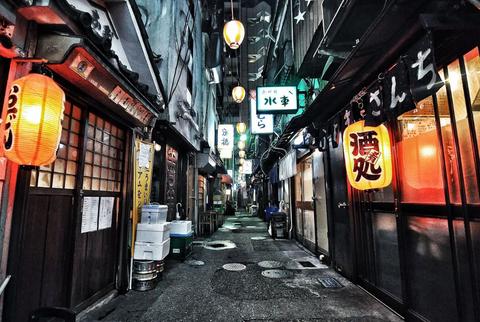
Shibuya Nonbei Yokocho
#tokyobynight
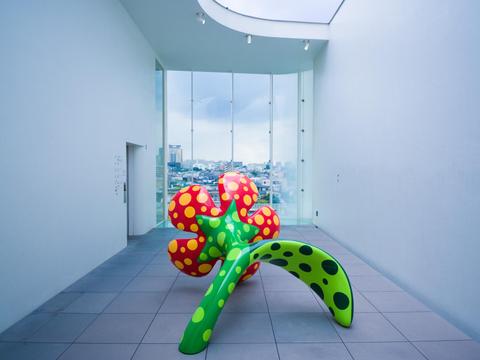
Yayoi Kusama Museum
Coordinates: 35.7026196, 139.7264548
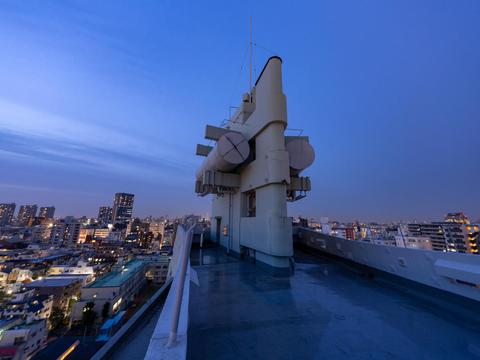
Gunkan Higashi-Shinjuku (Battleship Building)
Coordinates: 35.6985,139.7058
Yurakucho Gado-shita
The archetypal salaryman under-girder eatery strip, tiny yakitori and motsu joints built into the brick arches beneath the elevated Yamanote tracks between Ginza and Marunouchi. After dark the akachochin, open-air grills, rising steam and suited drinkers packed under the rumbling viaduct make it a long-running street-photography mecca for a reason. Shoot the smoke catching the warm lantern light against the dark riveted ironwork, and use the brick arches as natural frames around each glowing counter. Trains thunder overhead for an easy long-exposure streak above the scene. #tokyobynight
Aoyama Technical College (Gundam Building)
Makoto Sei Watanabe's 1990 debut building, a bristling mass of bolted-on fins, pods and antennae that locals nicknamed the Gundam Building because it reads as a giant robot lurching out of the residential hillside. After dark the bizarre mecha silhouette goes near-black against the sky, and the few lit windows and street lamps pick out its metallic protrusions. Shoot from the slope below with a wide lens to exaggerate the looming robot read, and use a long exposure to let passing car lights rake across its industrial skin. #tokyobynight
Kakurenbo Yokocho
A maze-like cobblestone alley threaded between Kagurazaka Naka-dori and Honda Yokocho, its name means 'hide-and-seek lane' because anyone who slips in vanishes from view. After dark the black wooden fences of the old ryotei swallow the light and only paper lanterns and the glow leaking from sliding doors survive, doubling beautifully in wet stone. Shoot down the curve so the lanterns recede into blackness, expose for the puddle reflections, and wait for the rare silhouette of a kimono cutting through the frame. This is still a working hanamachi with around 25 geisha, so the Showa-quiet is real and not staged. #tokyobynight
Atago Shrine Otoko-zaka (Stairs of Success)
On Edo's old highest natural hill, an almost vertical flight of 86 stone steps, the legendary 'stairs of success,' rockets straight up to a small shrine ringed by old trees, with glass office towers rising directly behind. After dark the contrast is the whole picture: the colored lights of modern Minato throw moving shadows through the ancient trees while the stairway falls away into black below. Shoot from the top looking down to make the steps a dizzying chute of wet stone, or from the base to stack the torii, lanterns, and skyscrapers in one collision of eras. Lit and publicly accessible at night, unlike most shrines. #tokyobynight
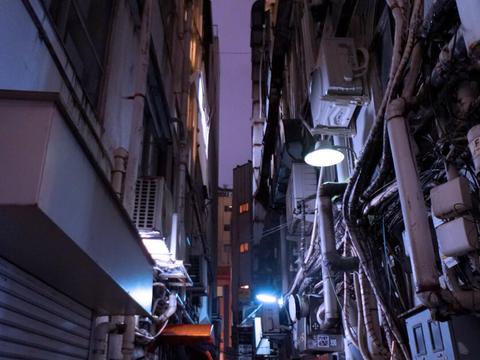
Ginza Black Heart Alley
銀座ブラックハート — cyberpunk pipe-choked alley hiding the Black Heart bar, Ginza 6. #tokyobynight
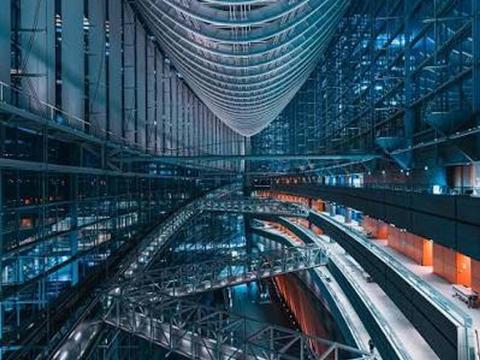
Tokyo International Forum (Glass Hall)
東京国際フォーラム — spaceship glass hall, cavernous & silent late at night (go inside). #tokyobynight
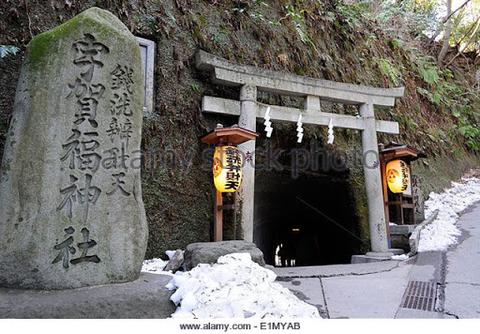
Zeniarai Benzaiten Shrine
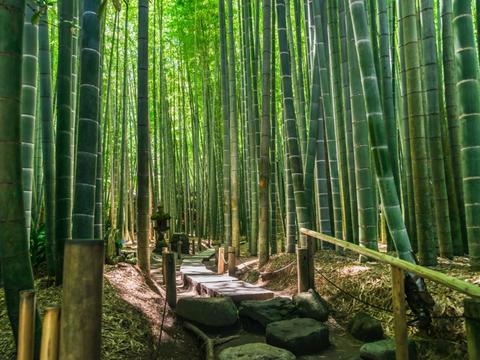
Hokokuji Temple Bamboo Groove
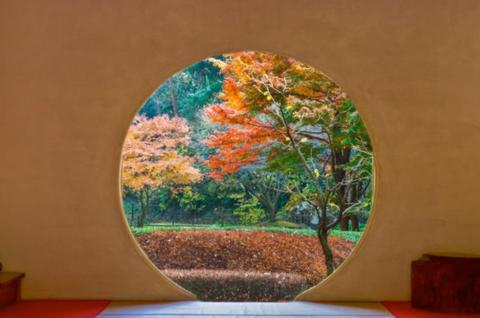
Meigetsu-in
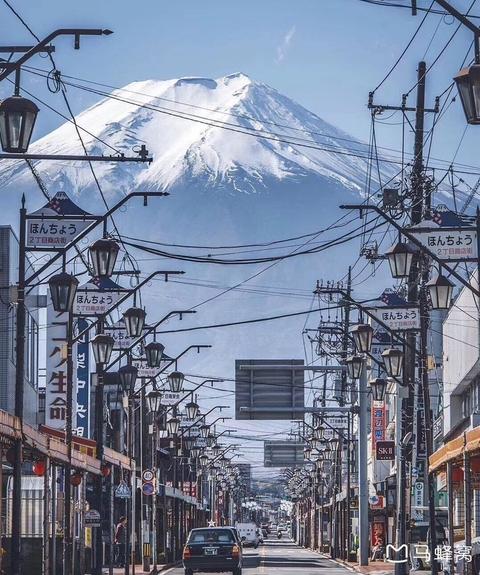
Fujiyoshida View of Fuji
Coordinates: 35.4916,138.8032
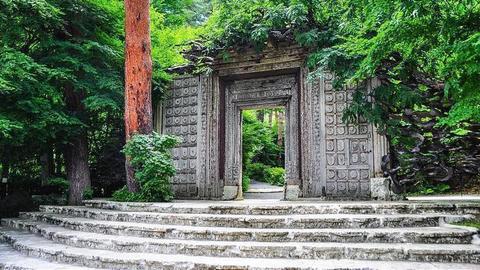
Itchiku Kubota Art Museum
Coordinates: 35.5273,138.7598
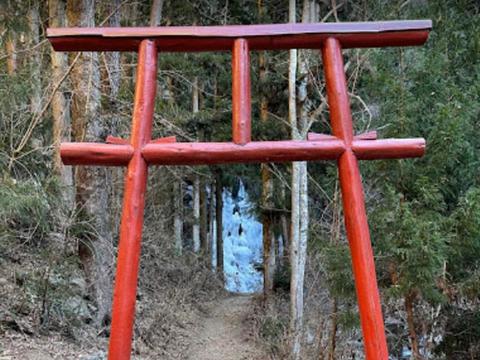
Hahanoshirataki Shrine
Coordinates: 35.5355,138.7826
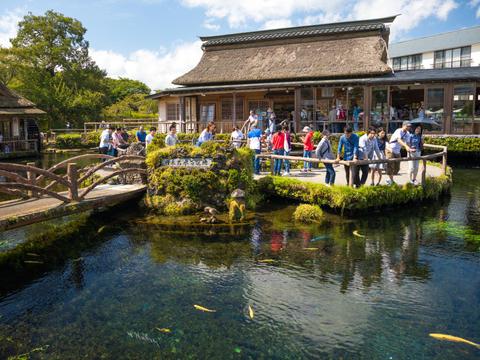
Oshino Hakkai
There are eight springs at Oshino Hakkai Springs. At one time, what we now know as Oshino-mura used to be a lake. Mt. Fuji erupted many times, gradually filling the space between Fujisusono and Mt. Misaka. This abraded and drained the area so that, over long period of time, the lake finally dried up. However, some springs that received water from Mt. Fuji's underground water reservoir remained. Oshino Hakkai is one of the representatives of those springs.
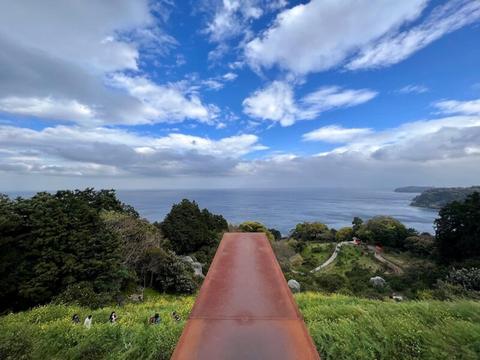
Enoura Observatory
Need booking!
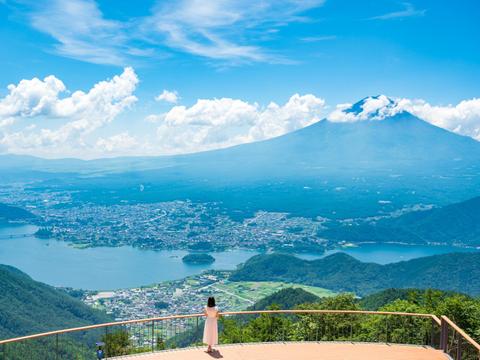
Fujiyama Twin Terrace
Sasuke Inari Shrine
佐助稲荷神社(神奈川県鎌倉市佐助・連なる赤鳥居)
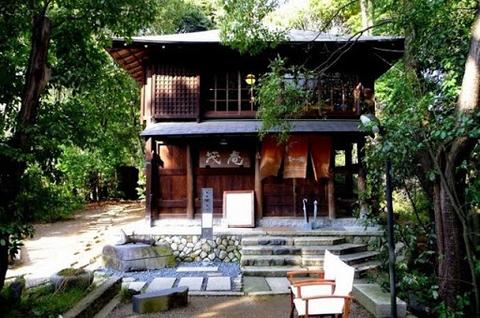
Mo-an Café
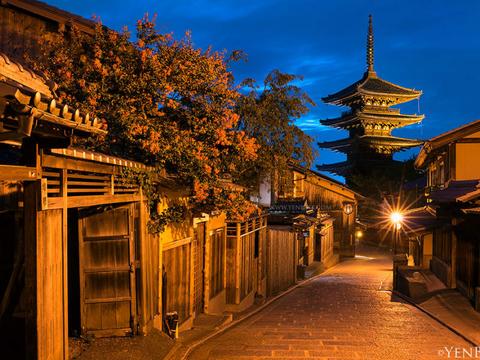
Yasaka no To Pagoda
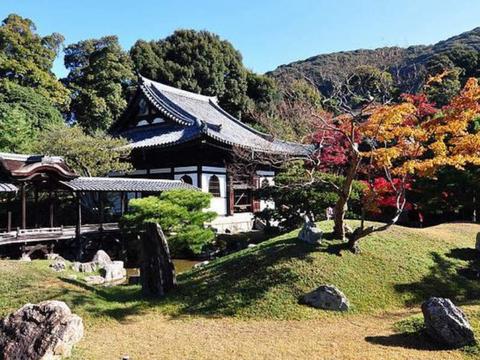
Kōdaiji Temple
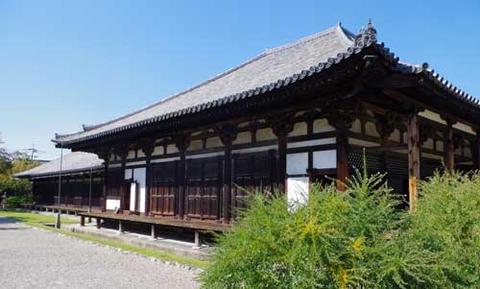
Gango-ji
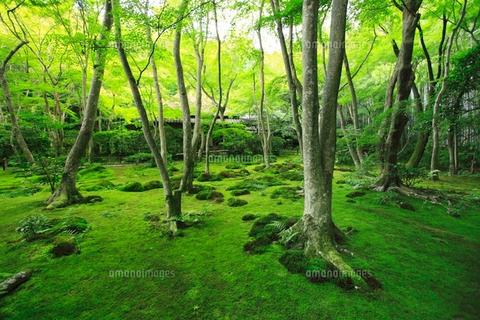
Gio-ji Temple
祇王寺
Nanzenji
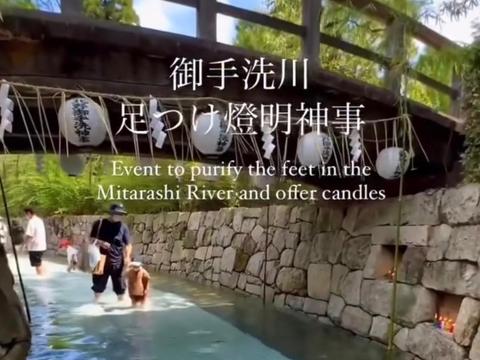
Kitano Tenmangu Shrine (River Walk)
北野天満宮
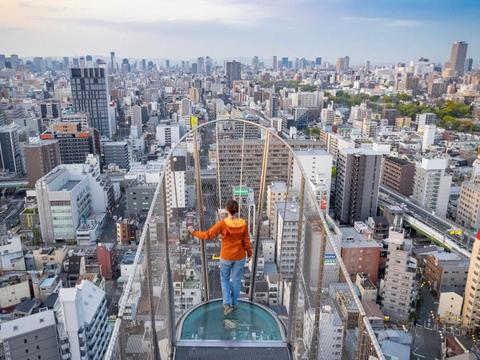
Tsutenkaku
Coordinates: 34.6525,135.5063
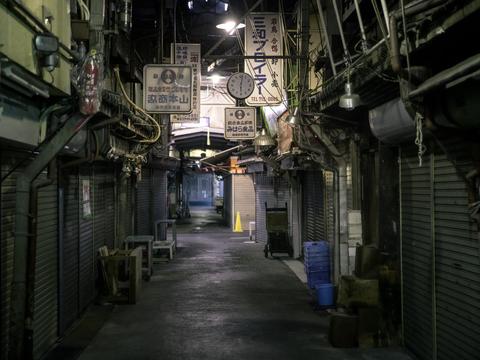
Tsuruhashi
Tsuruhashi is the center of Osaka's Korea Town, and it is well known for its many Korean restaurants, Korean shops, and Korean super markets.
Chao Chao Sanjo Kiyamachi
Coordinates: 35.0084,135.7706 #gyoza
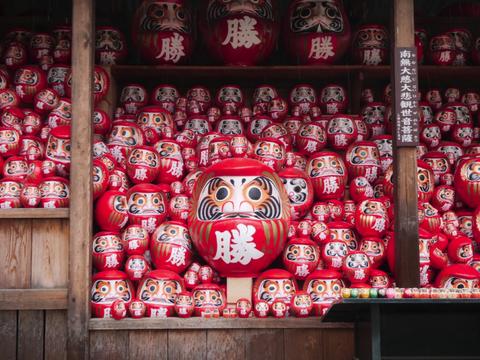
Katsuō-ji Temple
Coordinates: 34.8651,135.4916
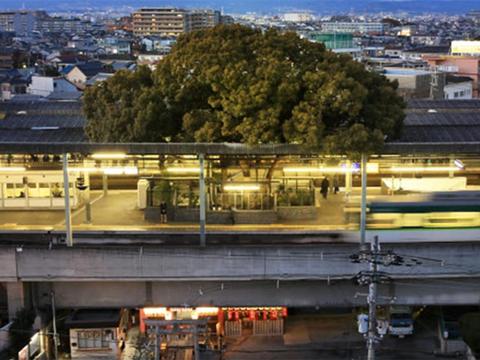
Kayashima: The Tree Station
Mmm, there is a tree still growing inside the station. By night, from outside, seems better.
Nissan Crossing
Free GT-R and heritage car showroom in the middle of Ginza. Easy add to the Day 3 walk for a car fan.
A-PIT Super Autobacs Shinonome
Legendary JDM car-parts megastore in Tokyo Bay. Demo cars, tuning culture, and the parking lot itself is a show some evenings.