Best Dark Sky Parks & Reserves in the World

All 45 places on this map are pinned at their exact location, grouped into 4 areas (North America, Europe, Southern Hemisphere and more). Each one comes with a short note on what it is and why it is worth your time. Browsing is free, and with an Ikuzo account you can copy the whole map and reshape it into your own trip.
North America
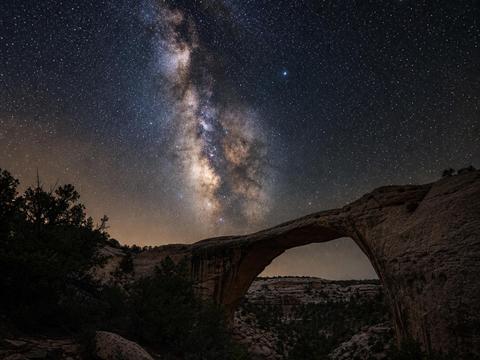
Natural Bridges National Monument
The world's very first International Dark Sky Park, certified in 2007. The Milky Way rising through Owachomo Bridge is one of the most iconic night sky views on Earth. #park
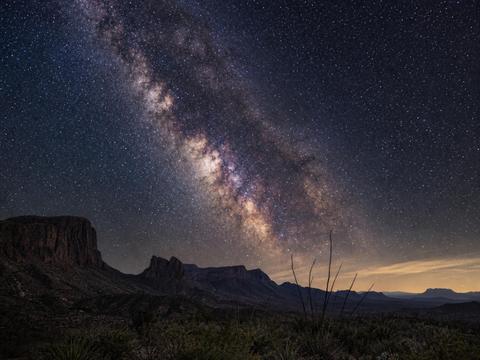
Big Bend National Park
Dark Sky Park with the darkest measured night skies in the lower 48 states, now part of the Greater Big Bend International Dark Sky Reserve, the largest dark sky reserve in the world. #park #reserve
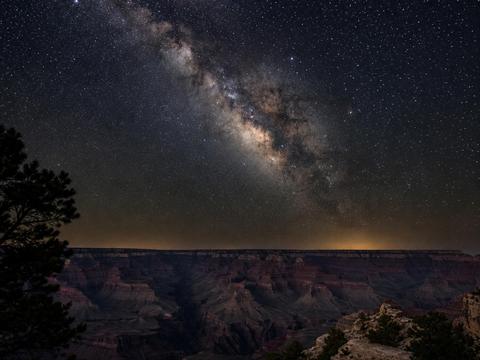
Grand Canyon South Rim
Grand Canyon is an International Dark Sky Park since 2019. The South Rim hosts a huge star party each June and the canyon rim makes an unbeatable foreground for the Milky Way. #park #visitable
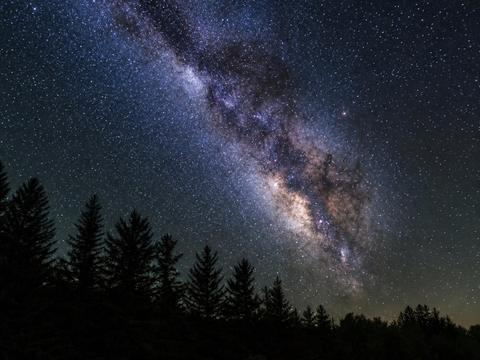
Cherry Springs State Park
Gold tier International Dark Sky Park in the Pennsylvania Wilds, one of the best stargazing sites on the US East Coast. The public Night Sky Viewing Area is open every night and the Milky Way core is stunning in summer. #park #visitable
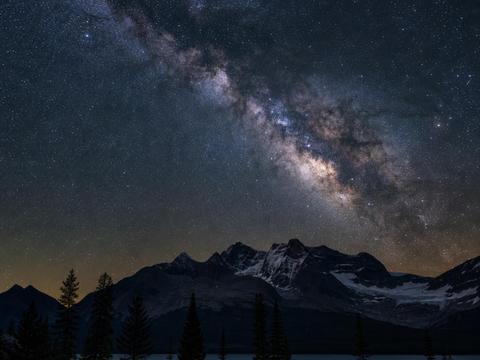
Jasper National Park Dark Sky Preserve
One of the largest Dark Sky Preserves on the planet, certified by the Royal Astronomical Society of Canada. The Jasper Dark Sky Festival every October mixes science talks and stargazing, and aurora shows up in winter. #reserve #aurora #visitable
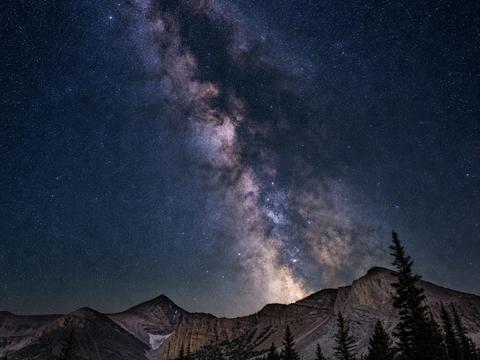
Great Basin National Park
International Dark Sky Park in remote Nevada, one of the least light polluted places in the continental US. Annual astronomy festival and ranger led telescope nights below Wheeler Peak. #park #visitable
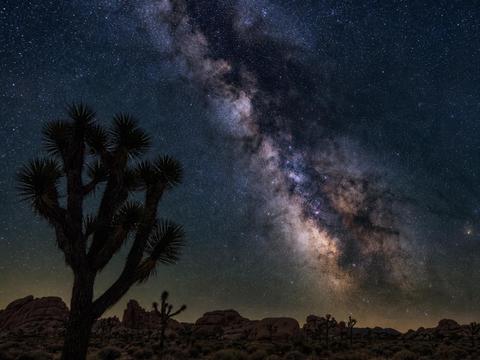
Joshua Tree National Park
International Dark Sky Park and the closest truly dark sky to Los Angeles. Surreal yucca silhouettes under the Milky Way core, best around the new moon. #park
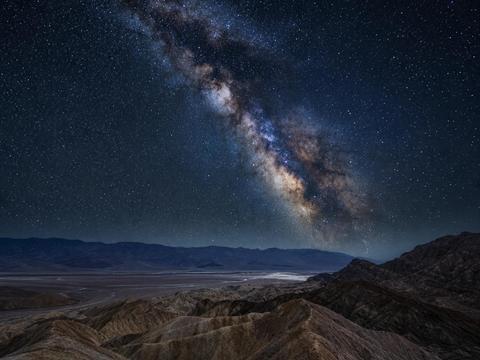
Death Valley National Park
The largest International Dark Sky Park in the United States, Gold tier. Vast desert basins and dunes give horizon to horizon stars with almost zero light domes. #park
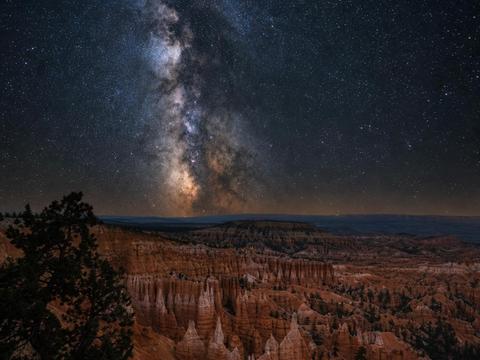
Bryce Canyon National Park
International Dark Sky Park at 2400 m altitude with famously crisp transparent air. Long running astronomy festival every June and regular ranger stargazing programs above the hoodoos. #park #visitable
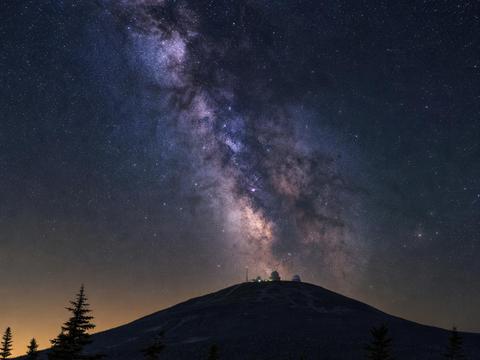
Mont-Mégantic ASTROLab
Heart of the world's first International Dark Sky Reserve, certified in 2007 around Mont Mégantic in Québec. The ASTROLab science centre runs public observatory evenings all summer. #reserve #observatory #visitable
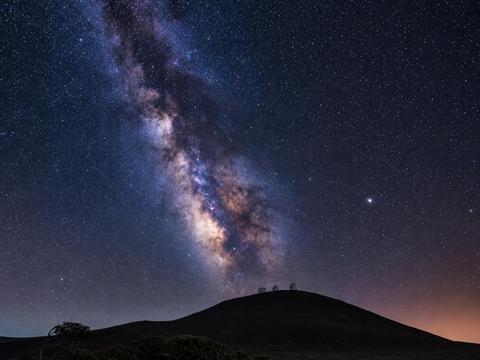
Mauna Kea Visitor Station
Stargazing point at 2800 m on Maunakea, above most of the atmosphere's moisture and just below the summit telescopes. Some of the steadiest and clearest skies on the planet. #observatory #visitable
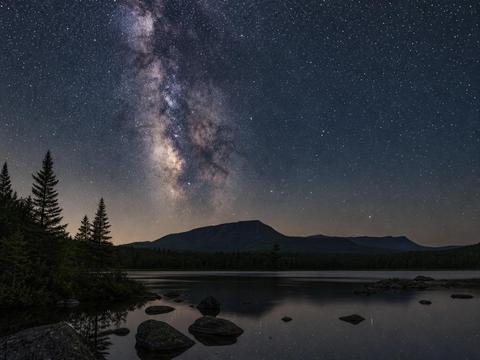
Katahdin Woods and Waters
International Dark Sky Sanctuary since 2020, the first in New England. Wild Maine forest with pristine skies over the Penobscot River and views to Mount Katahdin. #sanctuary
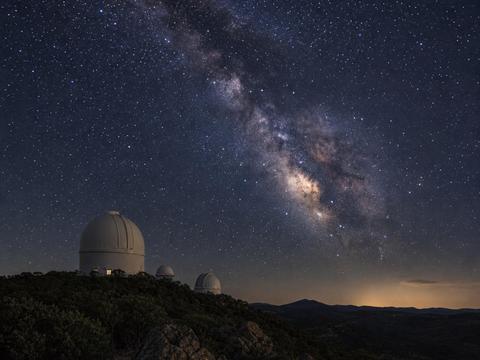
McDonald Observatory
Research observatory in the Davis Mountains of West Texas, famous for its public star parties, and now inside the Greater Big Bend International Dark Sky Reserve. Book the twilight program plus star party combo. #observatory #visitable
Europe
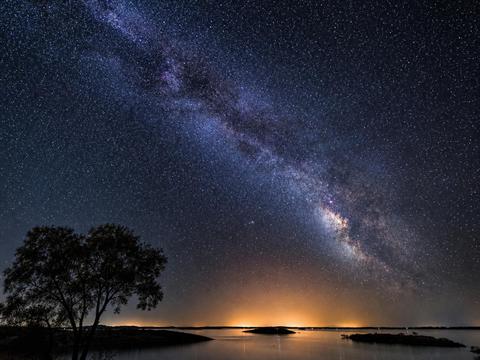
Dark Sky Alqueva (Lake Alqueva Observatory)
Heart of the Dark Sky Alqueva route in Alentejo, the world's first certified Starlight Tourism Destination. The lake observatory near Monsaraz runs public sessions and the region claims around 286 clear nights a year. #reserve #observatory #visitable
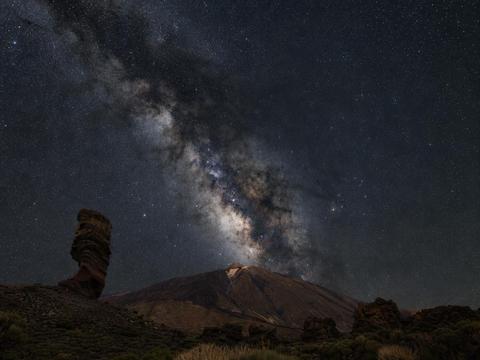
Teide National Park
Volcanic caldera at 2000 m on Tenerife with Starlight Reserve status. Above the sea of clouds the sky turns razor sharp, and nightly stargazing tours leave from the parador. #reserve #park #visitable
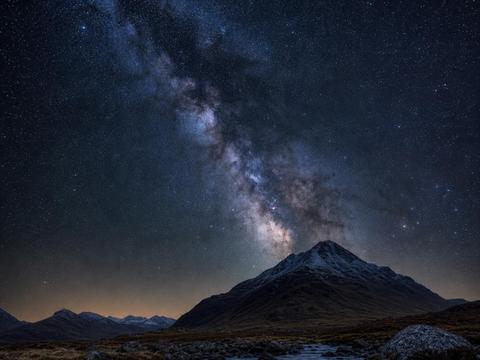
Snowdonia (Eryri) National Park
Eryri is an International Dark Sky Reserve covering most of the park. Mountain lakes like Llyn y Dywarchen and Llynnau Cregennen make classic Milky Way foregrounds. #reserve
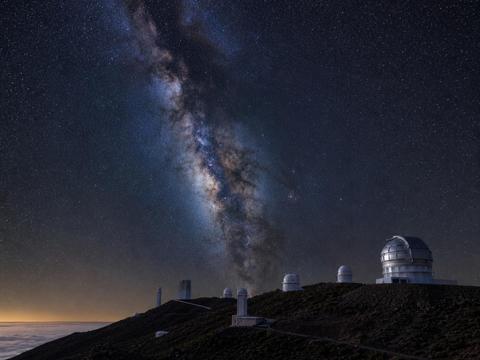
Roque de los Muchachos Observatory
One of the world's premier observatory sites at 2400 m on La Palma, home to the Gran Telescopio Canarias, the largest single optical telescope on Earth. La Palma pioneered legal sky protection and daytime tours are available. #observatory #visitable
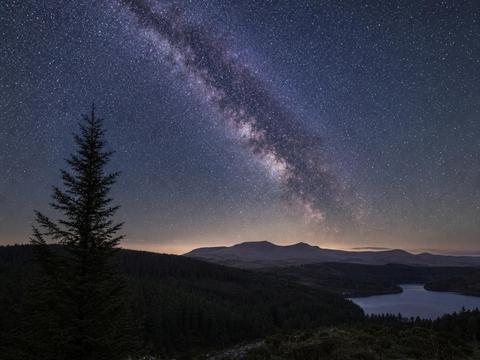
Galloway Forest Park
The UK's first Dark Sky Park, certified in 2009. Over 7000 stars are visible on a clear night and the Andromeda galaxy can be spotted with the naked eye. #park #visitable
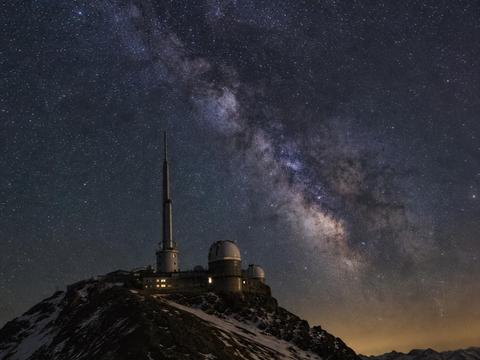
Pic du Midi
Summit observatory at 2877 m in the French Pyrénées, core of the Pic du Midi International Dark Sky Reserve. Take the cable car up for sunset and stay overnight among the telescopes for a full night of stargazing. #reserve #observatory #visitable
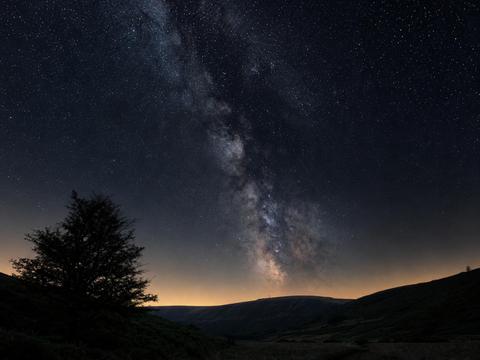
Exmoor National Park
Europe's very first International Dark Sky Reserve, certified in 2011. Gentle moorland horizons, telescope hire in local visitor centres and a Dark Skies Festival every October. #reserve #visitable
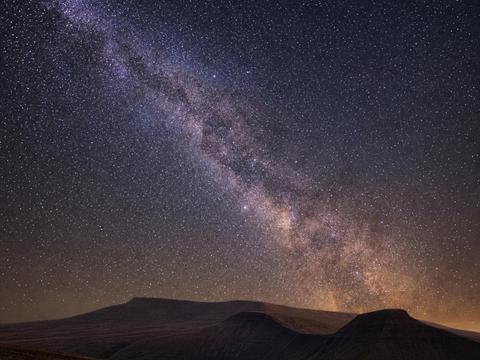
Brecon Beacons (Bannau Brycheiniog)
International Dark Sky Reserve since 2013, the first in Wales. Easy access dark sky viewpoints dot the park, with the Usk Reservoir and Llangorse Lake as local favorites. #reserve
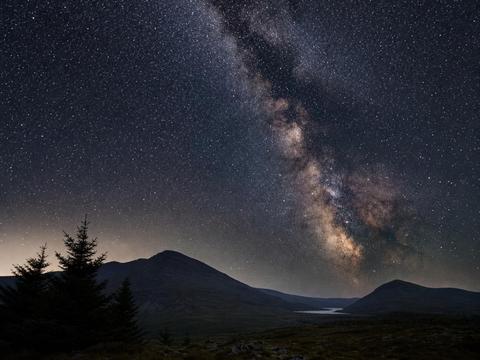
Wild Nephin National Park (Mayo Dark Sky Park)
Ireland's first Gold tier International Dark Sky Park, covering the Wild Nephin wilderness and Ballycroy. One of the darkest places in Europe, with a Dark Sky Festival each autumn. #park #visitable
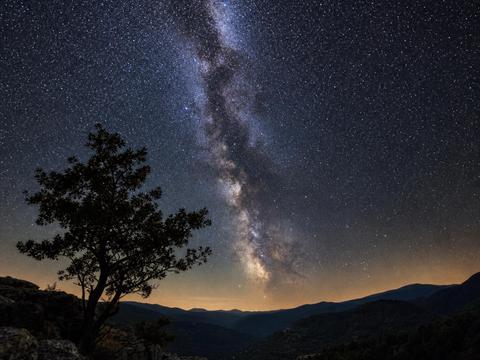
Parc national des Cévennes
International Dark Sky Reserve since 2018, one of the largest in Europe. Rolling causses, gorges and mountain villages with beautifully preserved rural night skies. #reserve
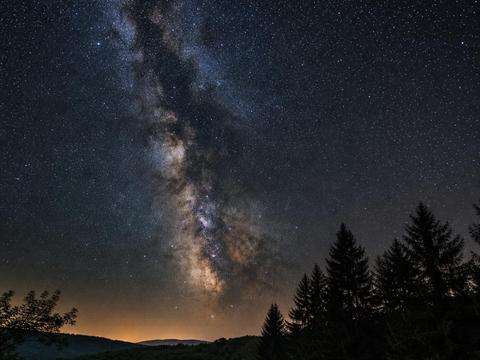
Zselic Starry Sky Park
One of Europe's first International Dark Sky Parks, in the Zselic forest of Hungary. Its modern visitor centre has telescopes, a planetarium and a 25 m lookout tower for all sky views. #park #observatory #visitable
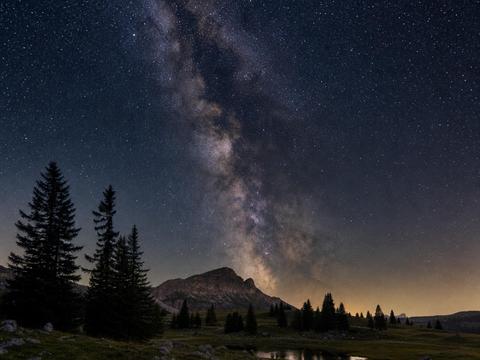
Winklmoosalm Dark Sky Park
Certified Dark Sky Park on a 1200 m alpine meadow in the Bavarian Alps near Reit im Winkl. Car free at night, reached on foot or by shuttle, with guided stargazing evenings in summer. #park #visitable
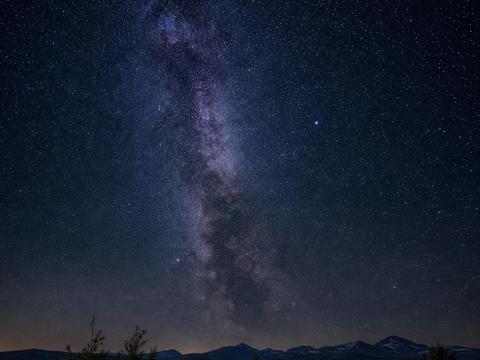
Abisko National Park
Arctic Sweden's aurora hotspot. The Aurora Sky Station on Mount Nuolja sits in a famously cloud free microclimate, making Abisko one of the most reliable places on Earth to see the northern lights. #aurora #visitable
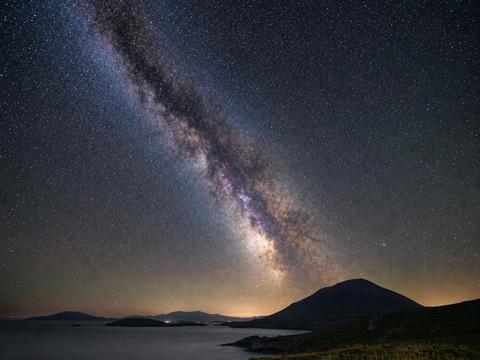
Kerry International Dark Sky Reserve
Gold tier International Dark Sky Reserve on the Iveragh Peninsula, centred on Ballinskelligs. The Milky Way sets over the Atlantic with the Skellig islands on the horizon. #reserve
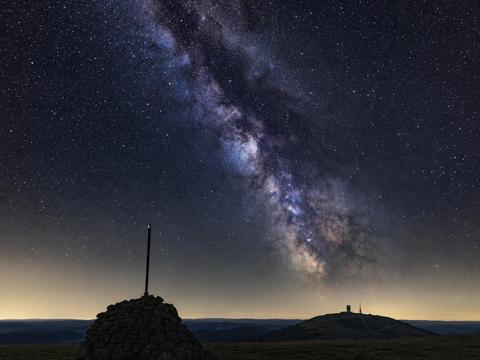
Rhön Dark Sky Reserve (Wasserkuppe)
The Rhön UNESCO biosphere is an International Dark Sky Reserve in the very centre of Germany. The Wasserkuppe summit gives 360 degree horizons and guided star walks run in season. #reserve #visitable
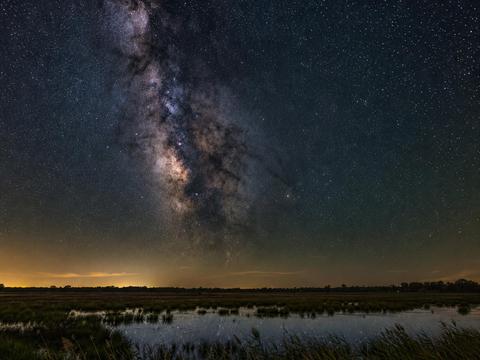
Sternenpark Westhavelland
Germany's first International Dark Sky Reserve, only about 70 km from Berlin. Marked observation sites around Gülpe make it the capital's favorite Milky Way escape. #reserve #visitable
Southern Hemisphere
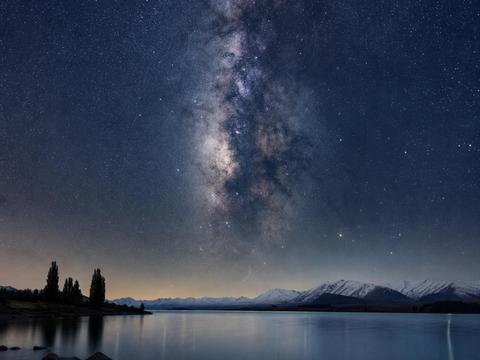
Lake Tekapo (Dark Sky Project)
Gateway to the Aoraki Mackenzie International Dark Sky Reserve, one of the largest gold tier reserves in the world. The Dark Sky Project runs nightly guided stargazing over the turquoise lake. #reserve #southern-sky #visitable
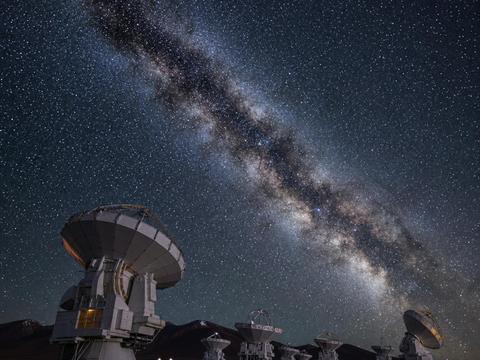
ALMA Observatory
The world's largest radio telescope array, 66 antennas on the Chajnantor plateau at 5000 m above San Pedro de Atacama. Free public tours of the operations facility run on weekend mornings, book ahead. #observatory #southern-sky #visitable
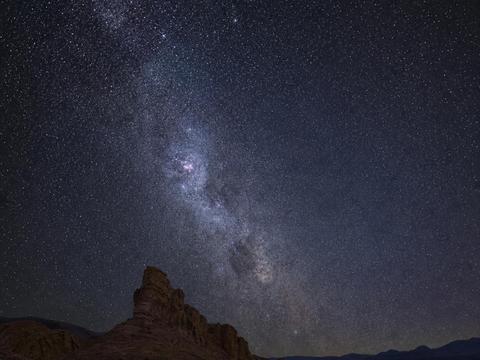
San Pedro de Atacama
Desert town at 2400 m in the Atacama, the driest place on Earth and arguably the world's best stargazing destination. Dozens of astro tour operators and 300 plus clear nights a year. #southern-sky #visitable
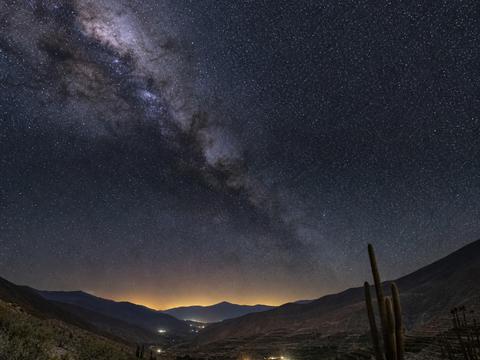
Elqui Valley (Mamalluca Observatory)
The Elqui Valley around Vicuña is the world's first International Dark Sky Sanctuary, named after Gabriela Mistral. Mamalluca is its classic public observatory, running nightly tours since 1998. #sanctuary #observatory #southern-sky #visitable
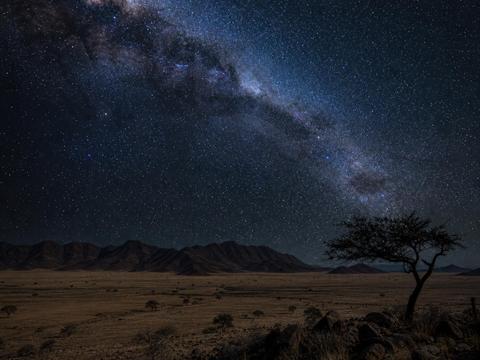
NamibRand Nature Reserve
Africa's first International Dark Sky Reserve, gold tier, in the Namib desert near Sossusvlei. Some of the darkest skies ever measured, with the Milky Way bright enough to cast shadows over the dunes. #reserve #southern-sky
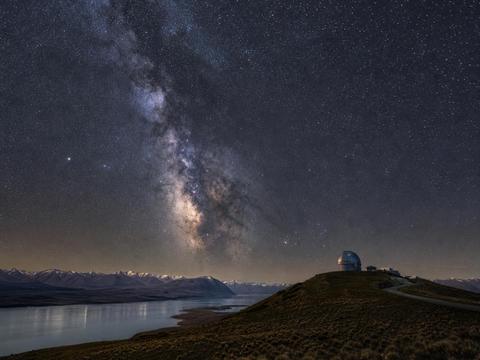
Mount John Observatory
University of Canterbury research observatory on a summit above Lake Tekapo, at the heart of the Aoraki Mackenzie reserve. Summit tours by day, telescope experiences by night. #observatory #southern-sky #visitable
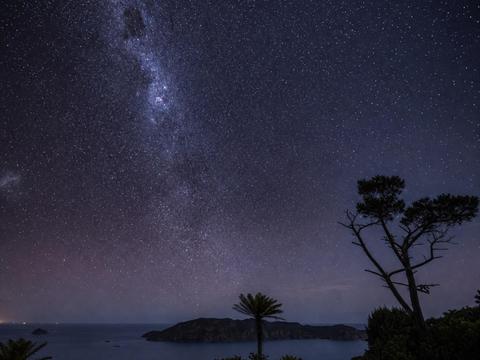
Great Barrier Island (Aotea)
One of the world's first International Dark Sky Sanctuaries, certified in 2017. The island is off grid with no street lighting, so the entire night sky blazes just 90 km from Auckland. #sanctuary #southern-sky
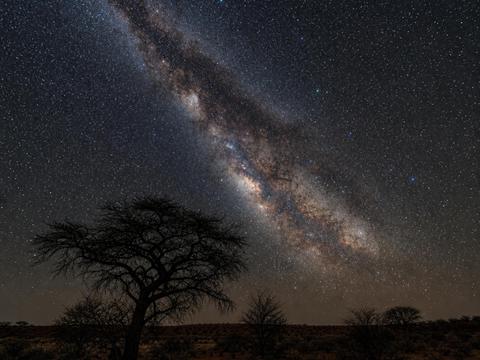
!Ae!Hai Kalahari Heritage Park
International Dark Sky Sanctuary on San and Mier heritage land bordering the Kgalagadi Transfrontier Park in South Africa. Vast southern Kalahari skies with essentially zero artificial light. #sanctuary #southern-sky
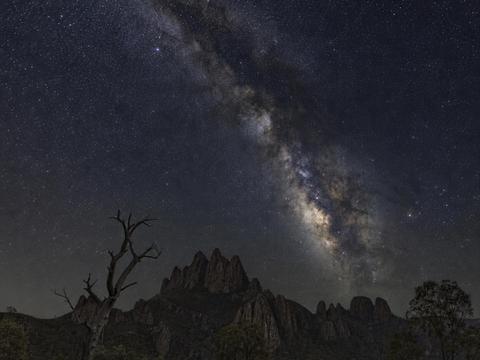
Warrumbungle National Park
Australia's first International Dark Sky Park. Siding Spring Observatory, the country's main optical research site, sits right on its edge and opens to visitors by day. #park #observatory #southern-sky #visitable
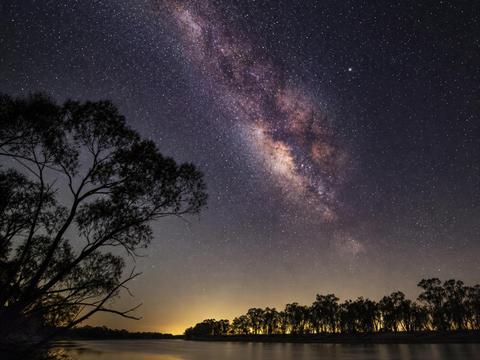
River Murray Dark Sky Reserve
International Dark Sky Reserve along the Murray River cliffs of South Australia, about 90 minutes from Adelaide. Certified in 2019 and beloved by local astro photographers. #reserve #southern-sky
Asia & Middle East
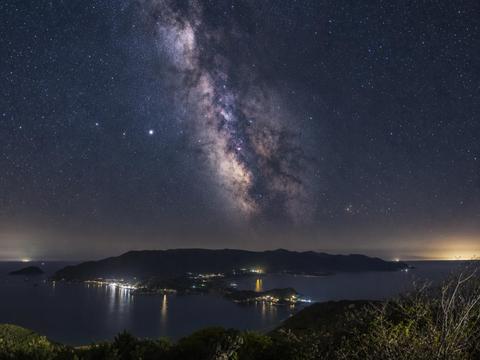
Kozushima
Tokyo island certified as an International Dark Sky Park in 2020 after the village replaced all its street lights. A ferry or short flight from the capital, with star tours at Yotsuura and Ako. #park #visitable
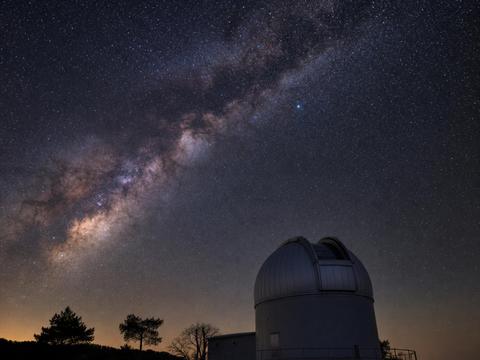
Bisei Astronomical Observatory
Bisei in Okayama passed Japan's first light pollution ordinance back in 1989 and later became Asia's first International Dark Sky Community. The public observatory opens its 101 cm telescope for night sessions. #observatory #visitable
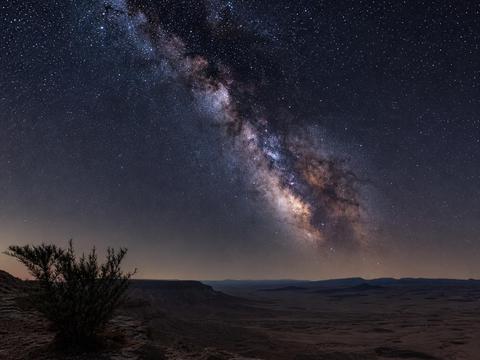
Makhtesh Ramon (Ramon Crater)
The Middle East's first International Dark Sky Park, a 40 km erosion crater in the Negev desert. Stargazing tours leave from Mitzpe Ramon on the crater rim almost every clear night. #park #visitable
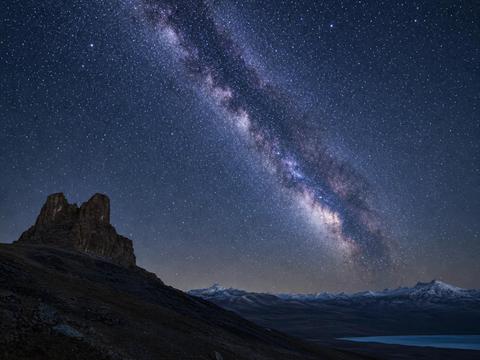
Ali Dark Sky Reserve (Ngari)
Dark sky reserve on the Tibetan plateau at 5100 m near Shiquanhe, one of the highest and driest observing sites in the northern hemisphere. A starry sky park with public telescopes sits along highway G219. #reserve #observatory
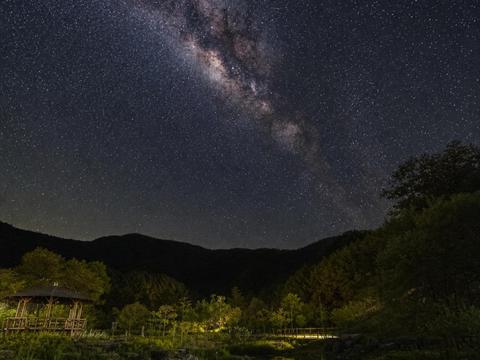
Yeongyang Firefly Eco Park
Asia's first International Dark Sky Park, certified in 2015 in one of the least populated corners of South Korea. Fireflies in early summer and a small public observatory on site. #park #visitable
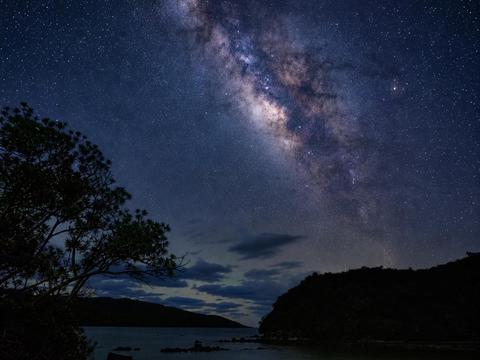
Iriomote-Ishigaki National Park
Japan's first International Dark Sky Park, certified in 2018. From the Yaeyama islands you can see the Southern Cross, and star viewing parties are a summer tradition on Ishigaki. #park #southern-sky #visitable