The Japan Golden Route for First Timers

All 39 places on this map are pinned at their exact location, grouped into 7 areas (Tokyo, Hakone & Fuji, Kyoto and more). Each one comes with a short note on what it is and why it is worth your time. Browsing is free, and with an Ikuzo account you can copy the whole map and reshape it into your own trip.
Tokyo
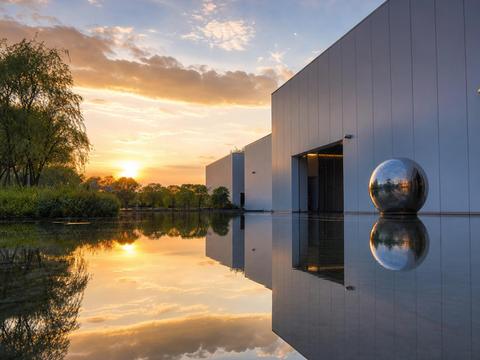
teamLab Planets
Immersive digital art museum where you walk barefoot through water and mirrored infinity rooms. Book tickets online well in advance, slots sell out days ahead.
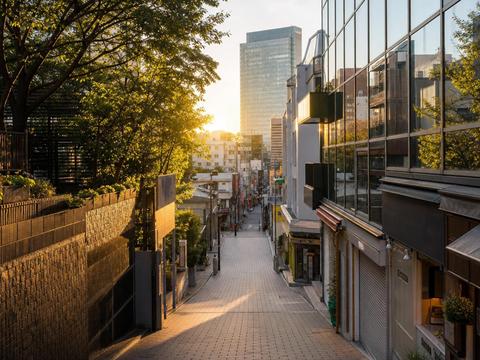
Takeshita Street
Harajuku's famous teen fashion street, packed with crepe stands and quirky shops. Very crowded on weekends, then continue to the elegant Omotesando avenue nearby.
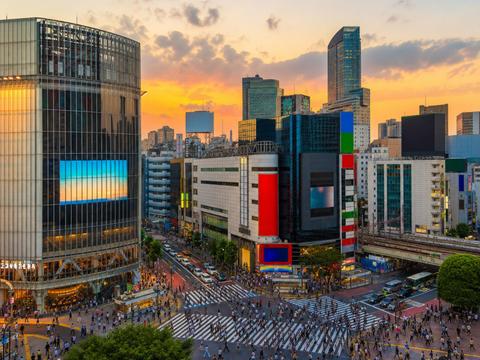
Shibuya Crossing
The world's busiest pedestrian scramble, up to 3000 people cross at once. Watch it from street level first, then head up to Shibuya Sky or a nearby rooftop for the aerial view.
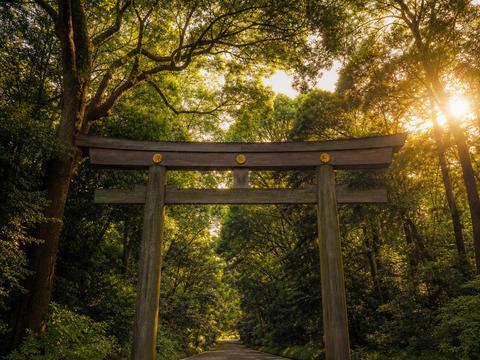
Meiji Jingu
Serene Shinto shrine dedicated to Emperor Meiji, hidden in a huge forest next to Harajuku. The walk under the giant torii gates feels like leaving Tokyo entirely.
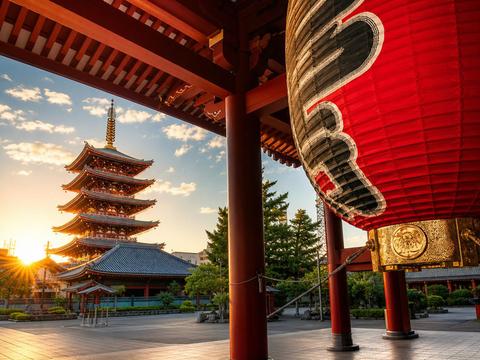
Senso-ji Temple
Tokyo's oldest temple, founded in 628, with the giant red lantern of Kaminarimon gate and the lively Nakamise shopping street. Come early morning or after sunset to enjoy it without the crowds.
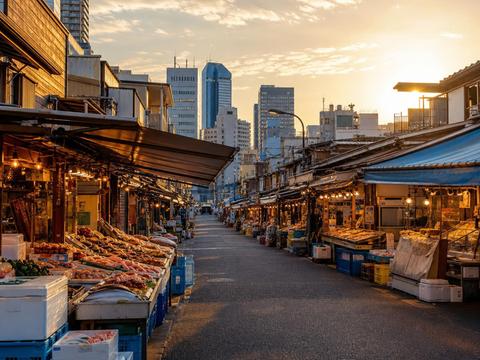
Tsukiji Outer Market
The lively food market that remained after the fish auction moved to Toyosu. Go before 10am for fresh sushi, tamagoyaki and street snacks, most shops close by early afternoon.
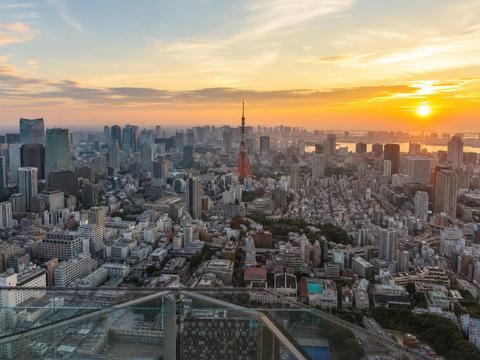
Shibuya Sky
Open air rooftop 229 meters above Shibuya with a stunning view over the crossing and Mount Fuji on clear days. Book the sunset slot online several days ahead.
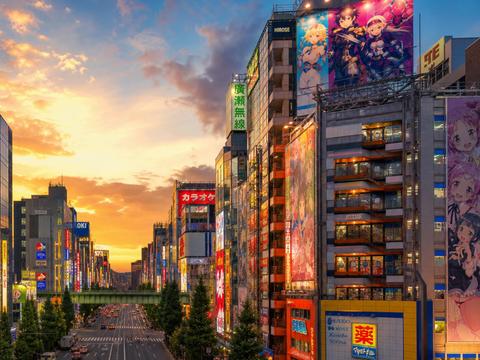
Akihabara Electric Town
The center of anime, manga, gaming and electronics culture. Explore the multi floor shops and retro game stores, best in the late afternoon when the neon comes on.
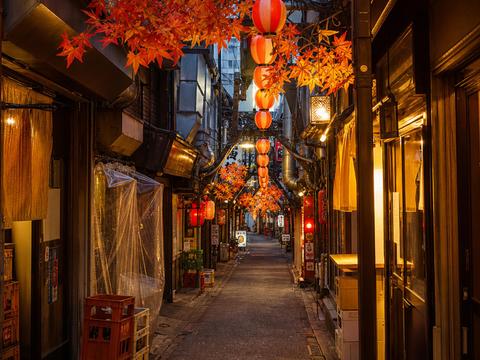
Omoide Yokocho
A tiny alley of smoky yakitori stalls next to Shinjuku Station, pure retro Showa atmosphere. Come hungry in the evening, squeeze onto a stool and order skewers and a beer.
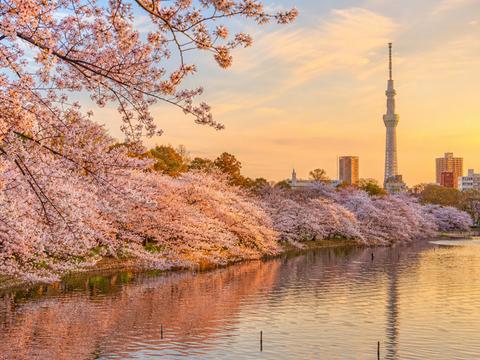
Ueno Park
Tokyo's great public park with museums, a zoo and temples, including the excellent Tokyo National Museum. One of the city's most famous cherry blossom spots in spring.
Hakone & Fuji
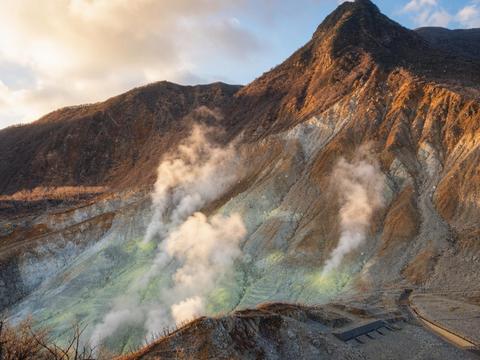
Owakudani
Volcanic valley of steaming sulfur vents reached by the Hakone Ropeway, with Mount Fuji views on clear days. Try a kuro tamago, an egg boiled black in the hot springs, said to add seven years to your life.
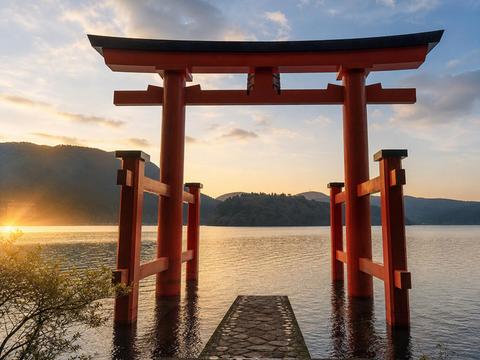
Hakone Shrine
Forest shrine on Lake Ashi, famous for its red Peace Torii standing in the water. Queue early for the torii photo, then take the pirate ship cruise across the lake.
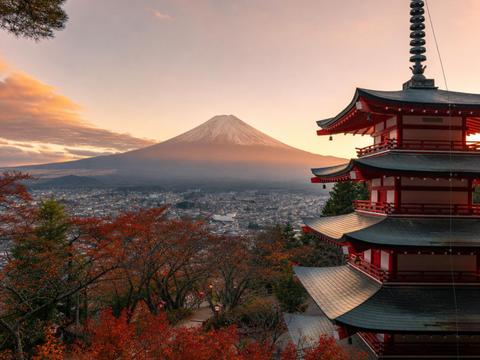
Chureito Pagoda
The classic postcard view of Japan, a five story pagoda facing Mount Fuji. Climb the 400 steps early in the morning for the clearest air, magical during cherry blossom season.
Kyoto
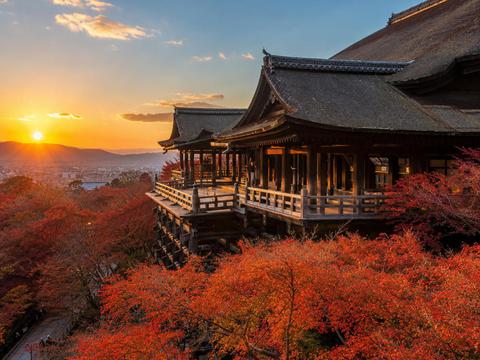
Kiyomizu-dera
Hillside temple with a huge wooden stage overlooking Kyoto, stunning at sunset. Walk up through the preserved lanes of Sannenzaka and Ninenzaka.
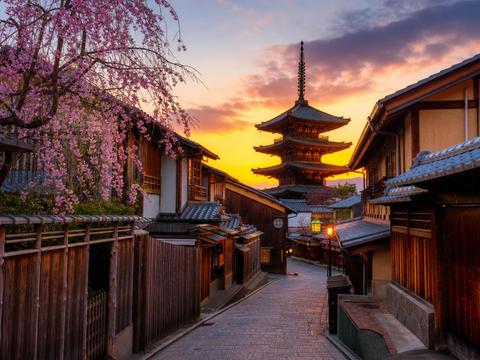
Gion
Kyoto's historic geisha district of wooden teahouses and lantern lit lanes. Stroll Hanamikoji Street at dusk, and be respectful, never stop or photograph geiko without permission.
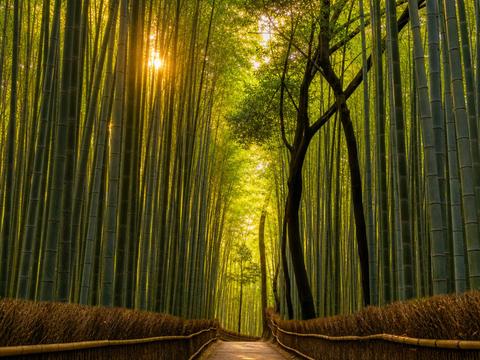
Arashiyama Bamboo Grove
A path through towering bamboo on Kyoto's western edge. Arrive before 8am for empty photos, then visit Tenryu-ji temple and the monkey park nearby.
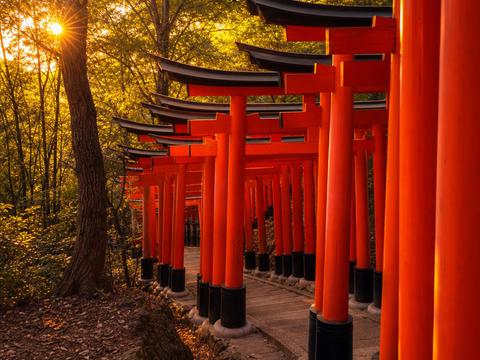
Fushimi Inari Taisha
Thousands of vermilion torii gates winding up a sacred mountain, Kyoto's most iconic sight. Go at dawn or after dark to have the gates almost to yourself, the full loop takes about two hours.
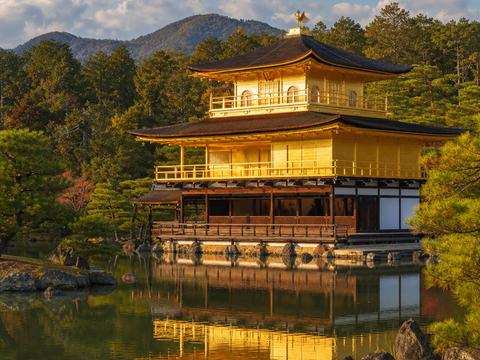
Kinkaku-ji (Golden Pavilion)
Zen temple covered in gold leaf, perfectly reflected in its mirror pond. Arrive right at the 9am opening to beat the tour buses.
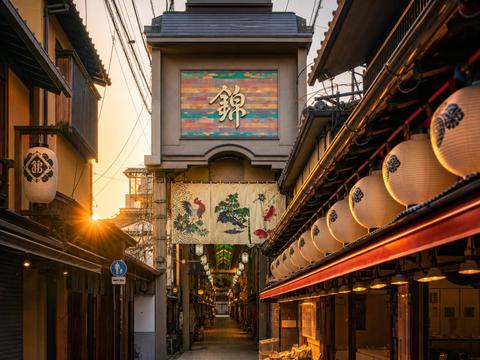
Nishiki Market
Kyoto's 400 year old covered food market, five blocks of pickles, sweets, knives and street food. Go hungry in late morning, many stalls close by 5pm.
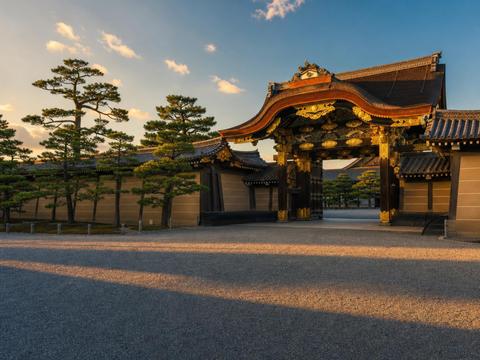
Nijo Castle
Shogun's palace with lavish painted interiors and nightingale floors that chirp underfoot to reveal intruders. One of the best places in Japan to feel samurai era power.
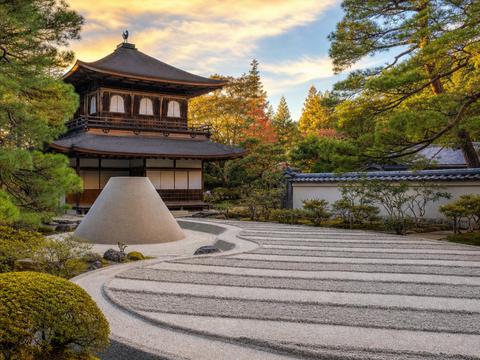
Ginkaku-ji (Silver Pavilion)
Refined Zen temple with a perfect moss garden and sculpted sand cone. Walk there along the Philosopher's Path, a canal lined with hundreds of cherry trees.
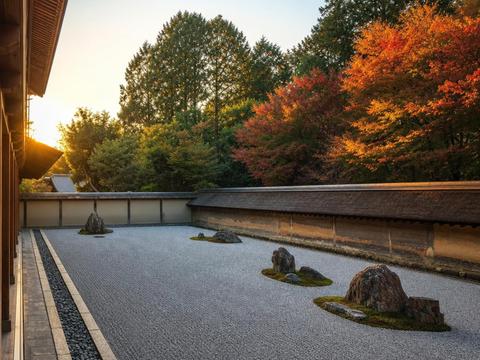
Ryoan-ji
Japan's most famous Zen rock garden, fifteen stones on raked gravel whose meaning is left to you. A short bus ride from Kinkaku-ji, quietest in the early morning.
Osaka & Nara
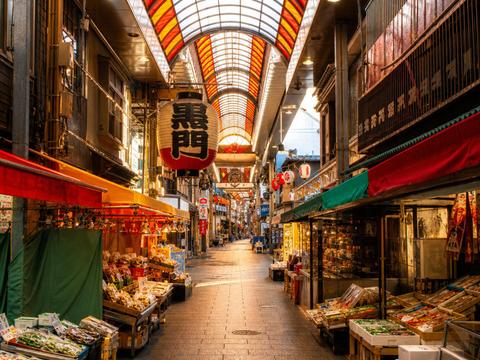
Kuromon Ichiba Market
Osaka's kitchen, a covered market of grilled scallops, wagyu skewers, fugu and fresh fruit. Go in the morning for breakfast and eat as you walk.
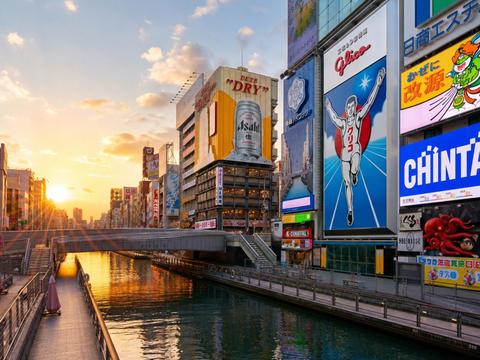
Dotonbori
Osaka's neon heart along the canal, home of the Glico running man sign and endless street food. Come at night and try takoyaki and okonomiyaki where they were invented.
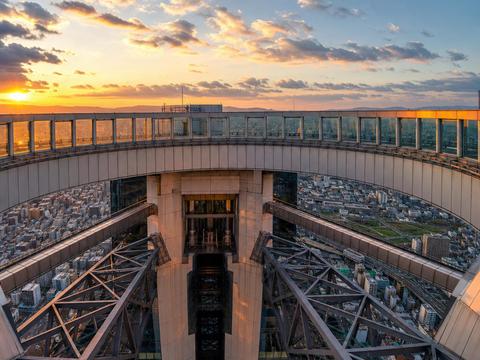
Umeda Sky Building
Two towers joined by the open air Floating Garden Observatory 173 meters up. Go at dusk to watch Osaka light up, less crowded than most big city decks.
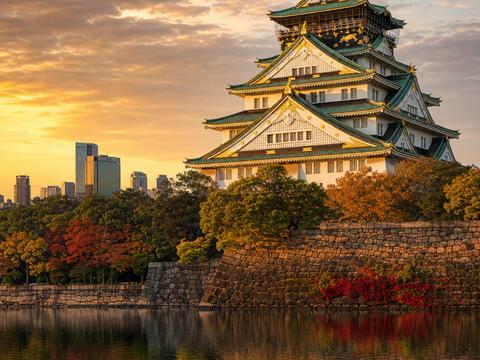
Osaka Castle
Iconic castle tower surrounded by massive moats and stone walls, with a museum inside telling the story of Hideyoshi. The park around it is one of Osaka's best cherry blossom spots.
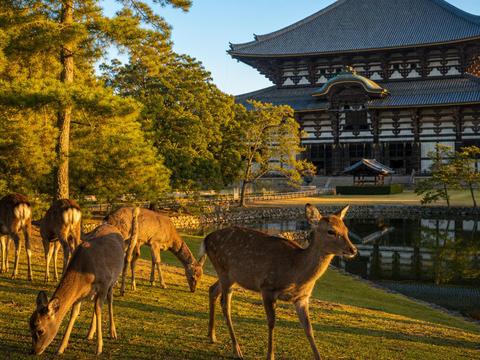
Nara Park
Vast park where over a thousand sacred deer roam free and bow for crackers. Buy shika senbei from the vendors and keep paper and tickets out of reach, the deer will eat them.
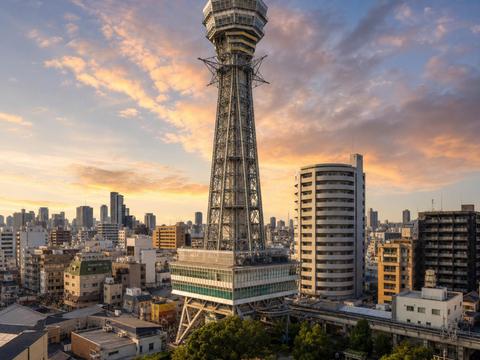
Shinsekai
Retro downtown district under the Tsutenkaku tower, frozen in early 20th century style. This is the place for kushikatsu, and remember the rule, no double dipping in the sauce.
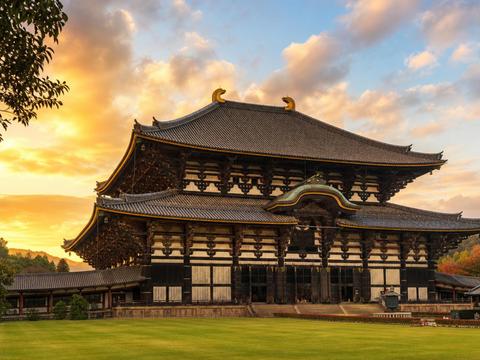
Todai-ji
Enormous wooden hall housing a 15 meter bronze Great Buddha, one of Japan's most impressive sights. Try squeezing through the pillar hole said to grant enlightenment.
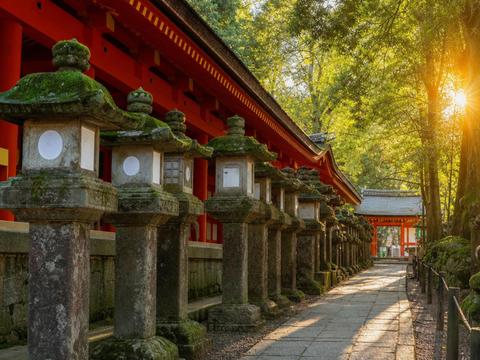
Kasuga Taisha
Nara's forest shrine famous for its thousands of stone and bronze lanterns draped in moss. The lantern lined approach through the deer filled woods is atmospheric at any hour.
Hiroshima & Miyajima
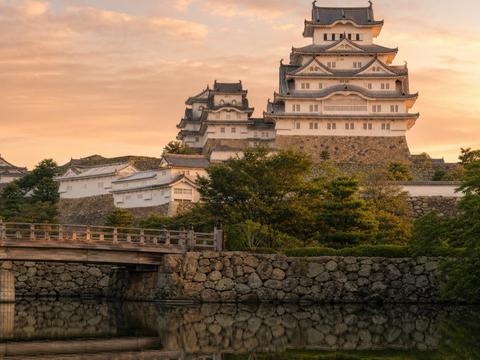
Himeji Castle
Japan's most beautiful original castle, the White Heron, never destroyed in war. An easy shinkansen stop between Osaka and Hiroshima, allow two hours to climb the keep.
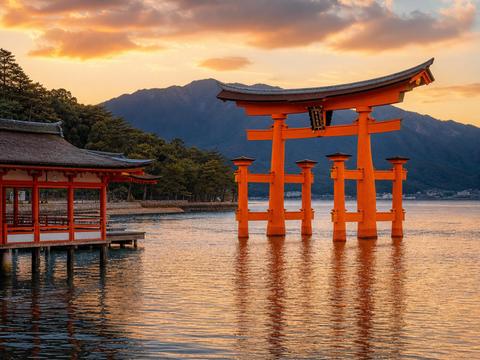
Itsukushima Shrine (Miyajima)
The floating shrine of Miyajima island, its great torii rising from the sea at high tide. Check the tide table, high tide for the floating look, low tide to walk out to the gate.
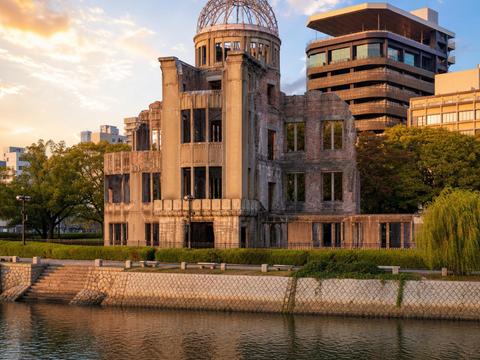
Hiroshima Peace Memorial Park
Moving memorial park around the Atomic Bomb Dome, one of the few structures left standing on 6 August 1945. Visit the Peace Memorial Museum too, allow half a day and expect it to stay with you.
Kanazawa & Takayama
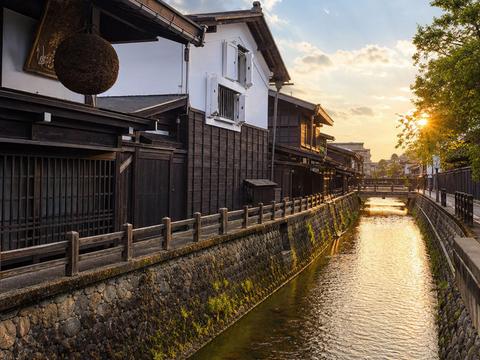
Takayama Old Town
Beautifully preserved merchant streets of dark wooden houses and sake breweries in the Japanese Alps. Taste Hida beef sushi and browse the Miyagawa morning market along the river.
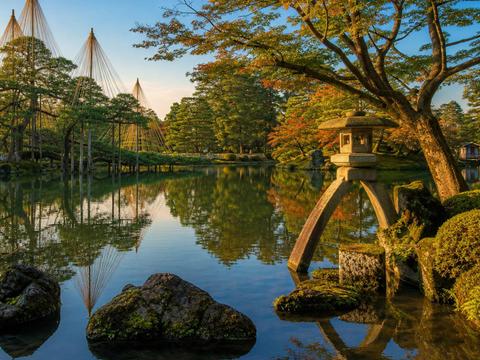
Kenroku-en
One of Japan's three great gardens, landscaped over two centuries by the Maeda lords of Kanazawa. Beautiful in every season, come at opening time and combine with Kanazawa Castle across the street.
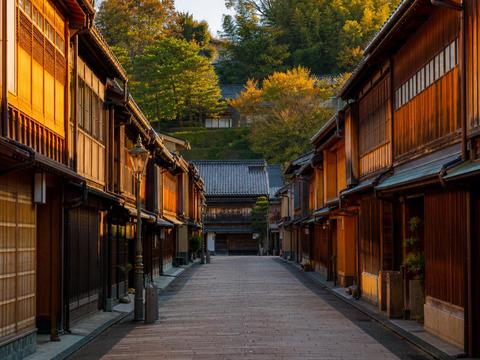
Higashi Chaya District
Kanazawa's preserved geisha quarter of dark wooden teahouses, now cafes and craft shops. Try gold leaf ice cream, the city produces almost all of Japan's gold leaf.
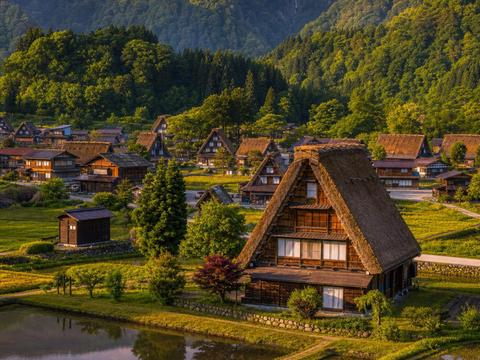
Shirakawa-go
UNESCO mountain village of steep thatched gassho zukuri farmhouses. Climb to the Shiroyama viewpoint for the postcard shot, magical under winter snow.
Nikko & Kamakura
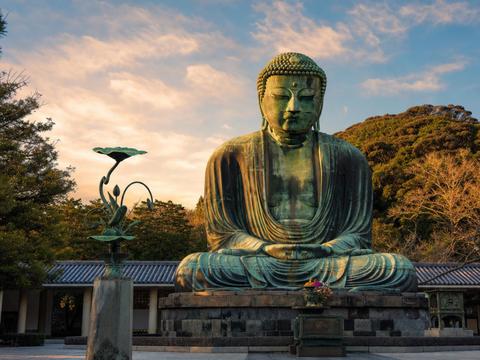
Kamakura Great Buddha (Kotoku-in)
The 13 meter bronze Great Buddha has sat in the open air since the 15th century. Combine it with Hasedera temple and the little Enoden train for a perfect day trip from Tokyo.
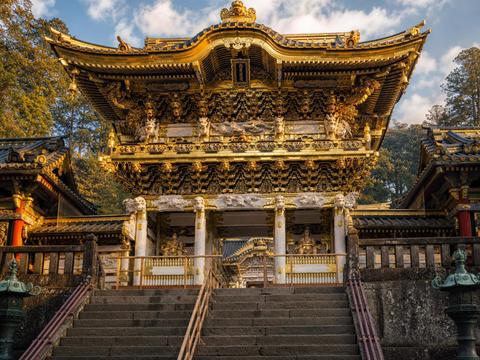
Nikko Toshogu
Lavishly carved and gilded shrine complex where shogun Tokugawa Ieyasu is enshrined, a UNESCO site in the mountains north of Tokyo. Allow a full day trip and look for the three wise monkeys carving.