Meteor Impact Craters of the World

All 64 places on this map are pinned at their exact location, grouped into 6 areas (North America, South America, Europe and more). Each one comes with a short note on what it is and why it is worth your time. Browsing is free, and with an Ikuzo account you can copy the whole map and reshape it into your own trip.
North America
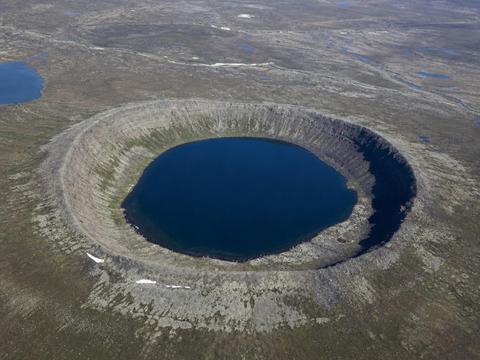
Pingualuit Crater
A 3.4 km bowl about 1.4 million years old in Nunavik, northern Quebec, holding one of the purest freshwater lakes on the planet. #small #lake
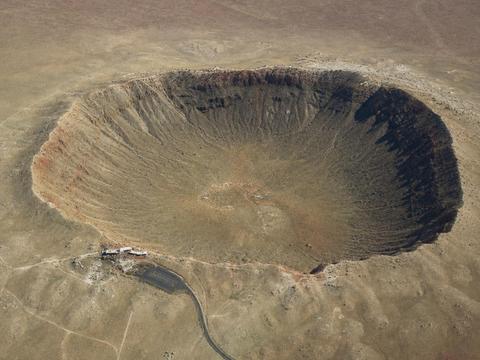
Meteor Crater (Barringer Crater)
The best preserved impact crater on Earth, 1.2 km wide and about 50,000 years old, with a rim museum and guided tours just off Route 66 in Arizona. #small #exposed #visitable
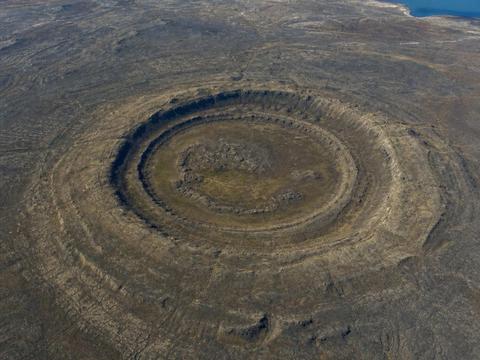
Haughton Crater
A 23 km crater about 39 million years old on Devon Island in the High Arctic, used by NASA and others as a Mars analog research site. #large #exposed
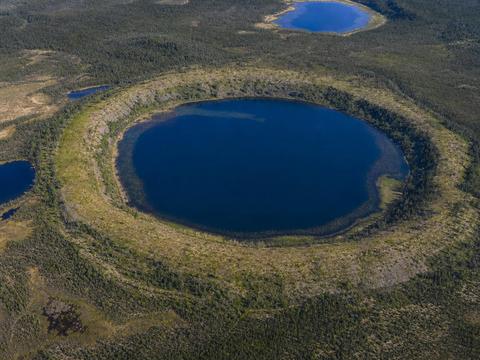
Clearwater Lakes
Twin lake filled craters 36 and 26 km wide in Quebec, long thought to be a double impact though the two are now dated hundreds of millions of years apart. #large #lake
Wells Creek Crater
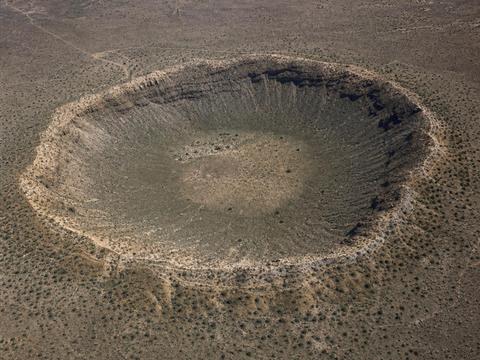
A deeply eroded 12 km structure in Tennessee roughly 300 million years old, an early classic site for shatter cone research. #large #eroded
Manicouagan Crater
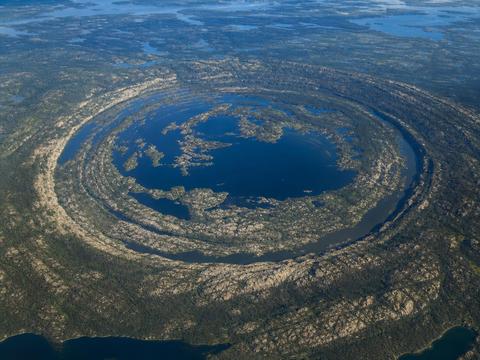
A 100 km structure about 214 million years old in Quebec, now traced by the spectacular ring shaped Manicouagan Reservoir that is easily visible from space. #giant #lake
Chesapeake Bay Crater
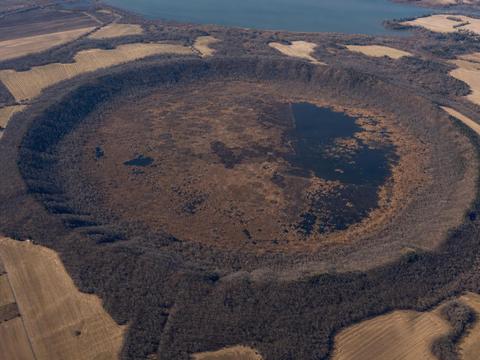
A buried structure some 40 to 85 km wide formed 35 million years ago, the largest known impact site in the United States. Its slow collapse still shapes the shoreline of Chesapeake Bay. #large #buried
Chicxulub Crater
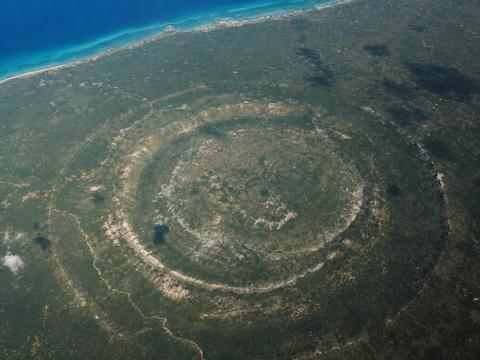
A buried ring about 180 km wide under the Yucatan coast, formed 66 million years ago by the asteroid that ended the age of dinosaurs. Its center lies just offshore from the town of Chicxulub Puerto. #giant #buried
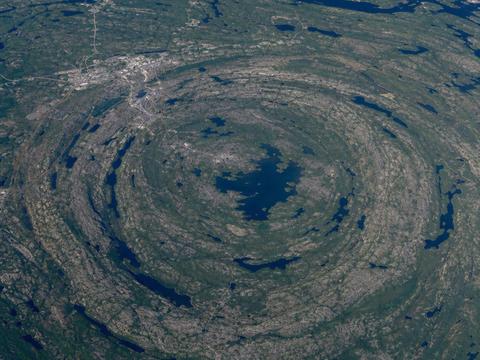
Sudbury Basin
One of the oldest and largest impact structures known, about 1.85 billion years old and originally up to 250 km wide. Its impact melt made Sudbury one of the world's great nickel mining districts. #giant #eroded #visitable
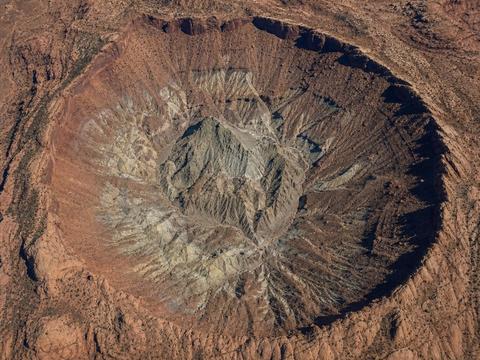
Upheaval Dome
A 5 km ringed dome in Canyonlands National Park with an easy rim trail. Its origin was long debated, though shocked quartz finds point to a deeply eroded impact structure. #small #exposed #visitable
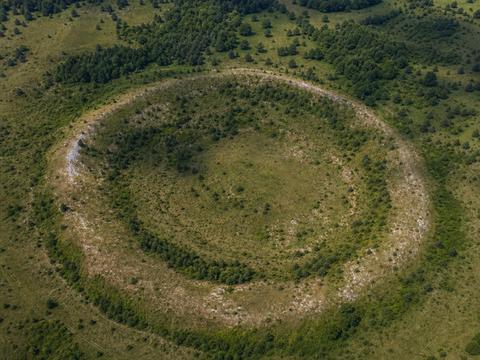
Serpent Mound Crater
A subtle 8 km structure in Ohio confirmed by drilling and shocked minerals, with the famous Serpent Mound effigy perched on its disturbed rocks. #small #eroded #visitable
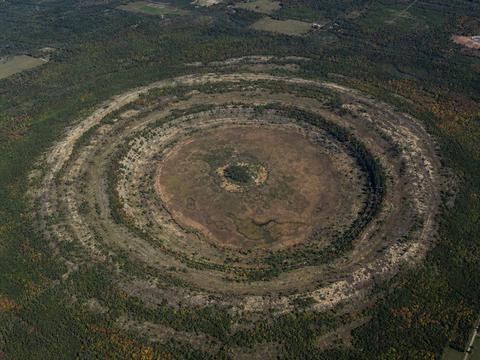
Charlevoix Crater
A 54 km structure several hundred million years old on the St Lawrence, one of the few large craters with people living inside it; most of Charlevoix's villages and farms sit within the ring. #large #eroded #visitable
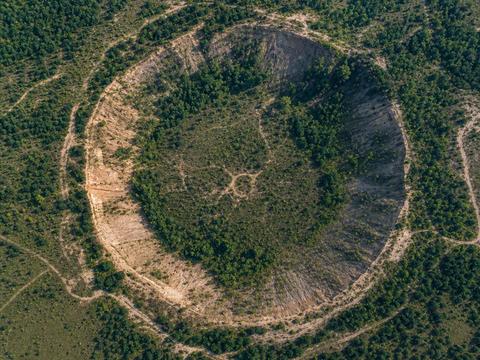
Wetumpka Crater
A 6.5 km marine impact about 85 million years old in Alabama, its crescent of hills rising right behind the town of Wetumpka. #small #eroded #visitable
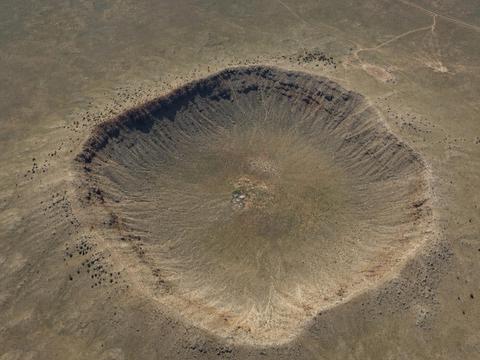
Odessa Meteor Crater
A 168 m crater in West Texas about 63,000 years old, the main pit of a small crater field, with a museum and walking trail. #small #exposed #visitable
South America
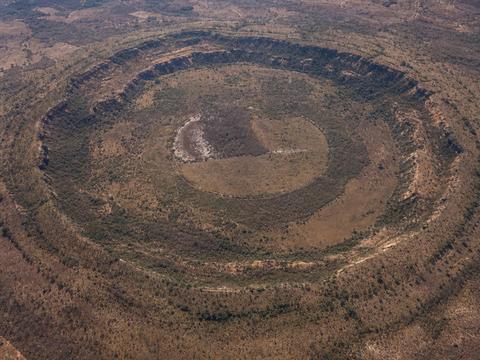
Araguainha Crater
South America's largest impact structure, about 40 km wide and 254 million years old, close in age to the great Permian mass extinction. #large #eroded
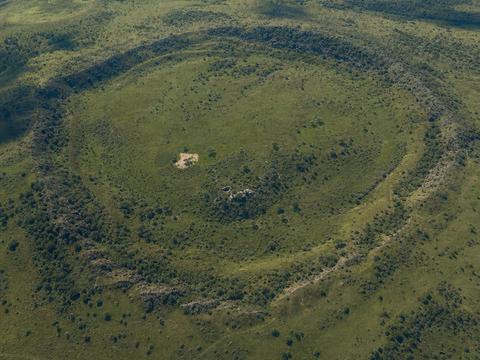
Campo del Cielo
A field of small craters in the Argentine Chaco formed by a huge iron meteorite shower about 4,000 years ago. Some of the largest iron masses ever recovered, over 30 tons, came from here. #small #exposed #visitable #recent
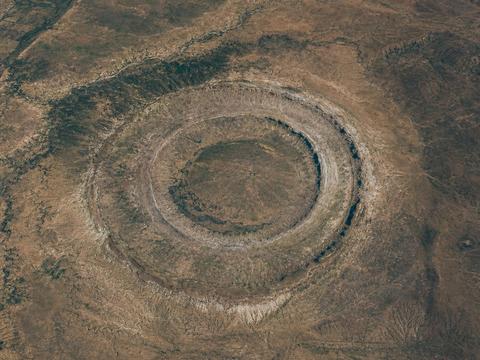
Carancas Crater
A 13 m crater blasted out near Lake Titicaca by a witnessed meteorite fall in September 2007, one of the rare modern cratering events. #small #recent
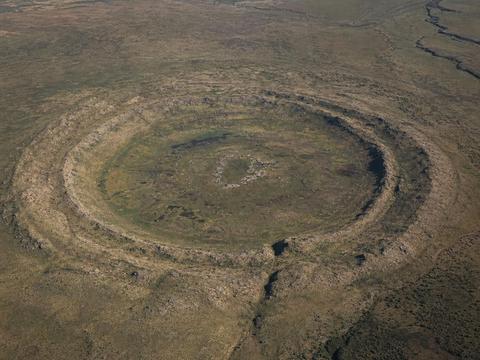
Monturaqui Crater
A 460 m crater in the Atacama Desert south of the Salar de Atacama, several hundred thousand years old and superbly preserved by the hyperarid climate. #small #exposed
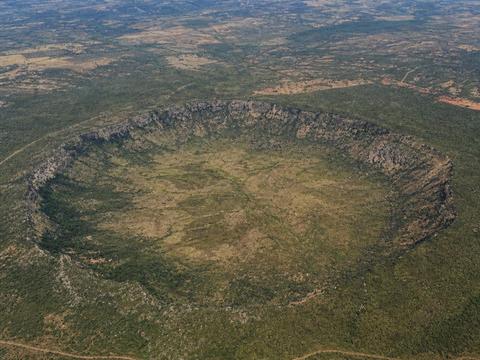
Serra da Cangalha
A 12 km structure in Tocantins, Brazil, with a striking ring of ridges around its central peak. #large #eroded
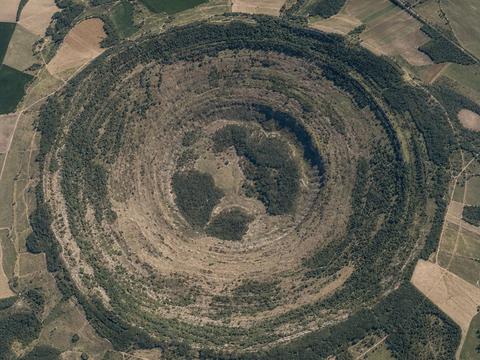
Vargeão Dome
A 12 km crater punched into the basalts of Santa Catarina, Brazil, its rim clearly visible around farmland and the town of Vargeão. #large #eroded
Europe
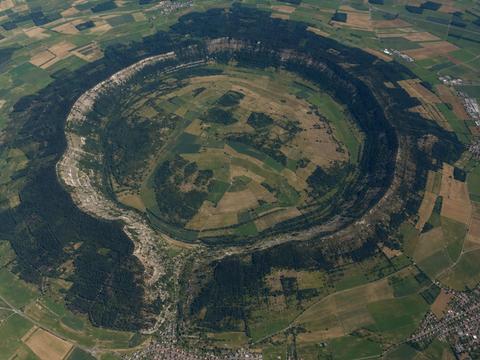
Steinheim Basin
A 3.8 km crater with a textbook central uplift hill, formed in the same event as the nearby Ries 14.8 million years ago. #small #eroded #visitable
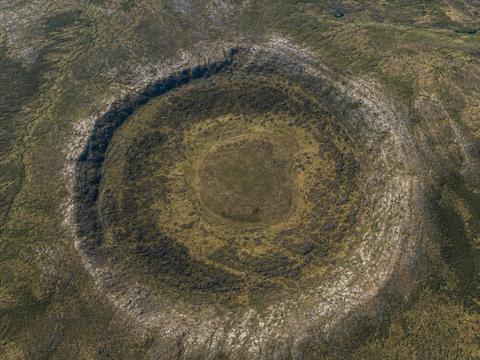
Dellen Crater
A 19 km structure about 89 million years old in Hälsingland, Sweden, its floor filled by the two Dellen lakes. #large #lake
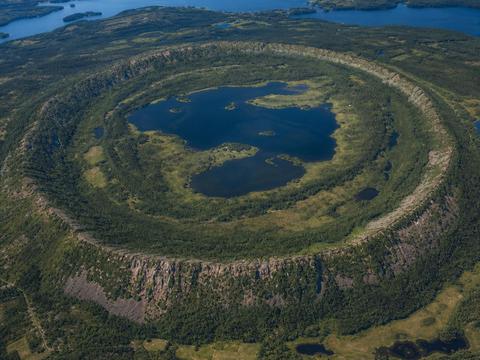
Siljan Ring
Europe's largest impact structure at about 52 km, formed 377 million years ago; an arc of lakes around Mora and Rättvik traces the buried crater ring. #large #lake #visitable
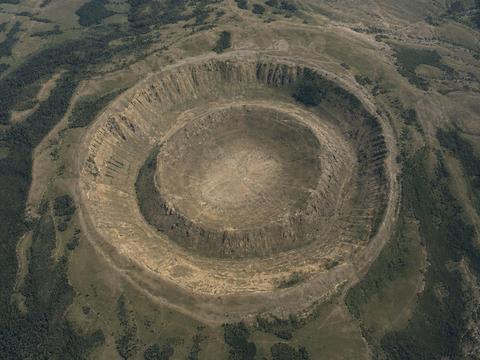
Boltysh Crater
A buried 24 km crater in central Ukraine dated to 65.4 million years ago, striking Earth within a geological blink of Chicxulub. #large #buried
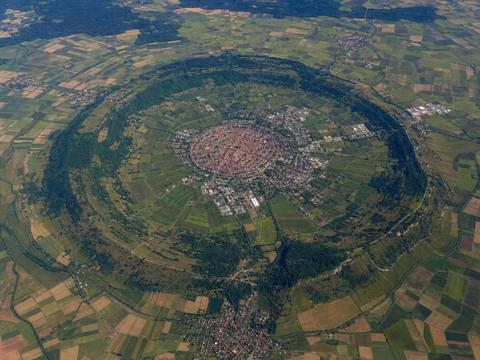
Ries Crater (Nördlingen)
A 24 km crater formed 14.8 million years ago, with the medieval town of Nördlingen built entirely inside it. The town walls and church are made of impact stone studded with microscopic diamonds. #large #eroded #visitable
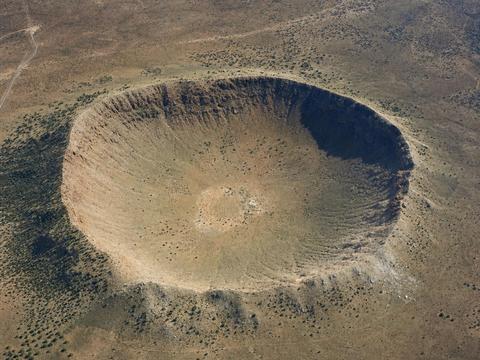
Gardnos Crater
A 5 km deeply eroded crater near Nesbyen in Norway, about half a billion years old, with marked trails and a small visitor center among the black Gardnos breccia. #small #eroded #visitable
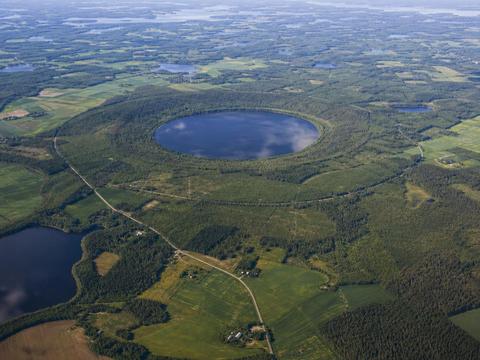
Lappajärvi Crater
A 23 km lake filled crater about 78 million years old, the largest impact lake in Finland with villages and holiday cabins along its shores. #large #lake #visitable
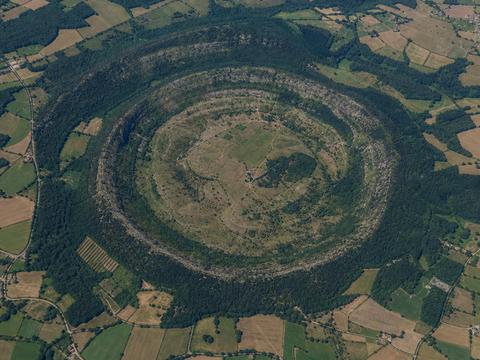
Rochechouart Crater
The eroded root of a crater about 23 km wide and 200 million years old in Limousin, France. The town and castle of Rochechouart are built from its impact breccia. #large #eroded #visitable
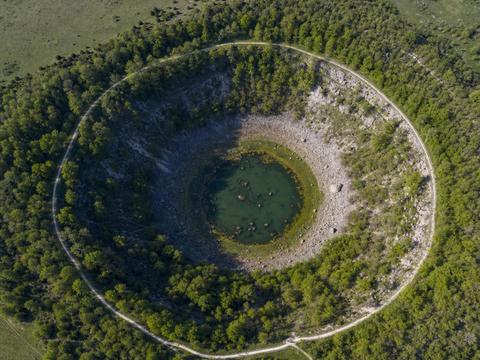
Kaali Crater
A 110 m crater lake on the island of Saaremaa, blasted out roughly 3,500 years ago when the region was already settled; the fall echoes through Baltic and Nordic mythology. #small #lake #visitable #recent
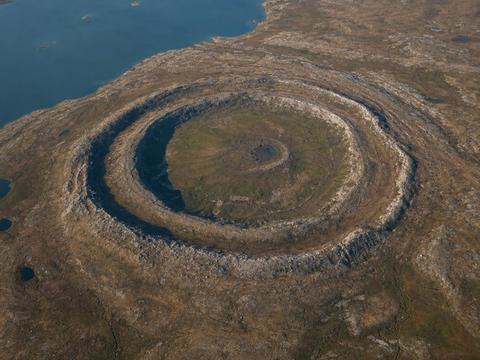
Mjølnir Crater
A 40 km crater on the floor of the Barents Sea, about 142 million years old and known only from seismic surveys and drill cores. #large #buried
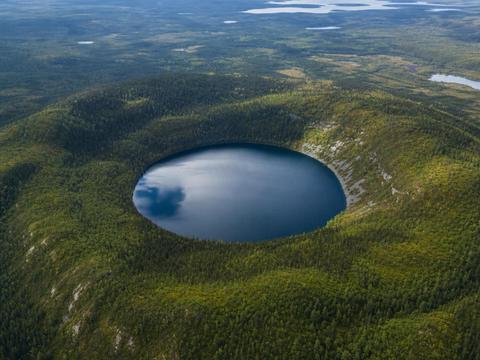
Jänisjärvi Crater
A 14 km lake filled structure in Russian Karelia around 700 million years old. #large #lake
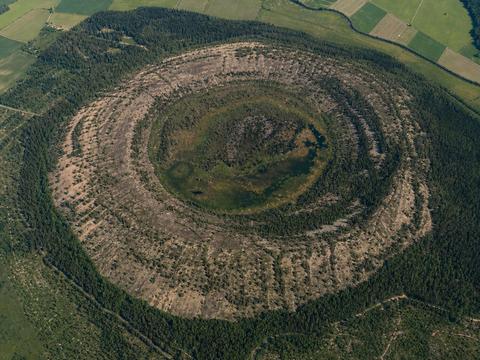
Söderfjärden Crater
A 6.6 km crater about 600 million years old near Vaasa, Finland, now a perfectly circular plain of farmland with an observation tower and small visitor exhibition. #small #buried #visitable
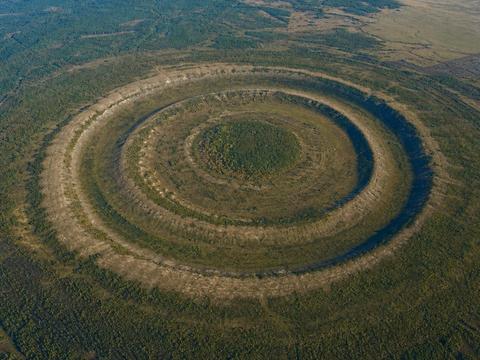
Puchezh-Katunki Crater
A large buried structure up to 80 km wide east of Nizhny Novgorod, Russia, about 195 million years old and invisible at the surface. #large #buried
Africa
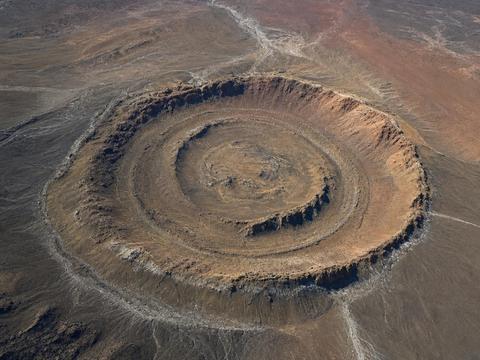
Ouarkziz Crater
A 3.5 km crater in northwestern Algeria, deeply cut by dry ravines yet still strikingly circular from above. #small #eroded
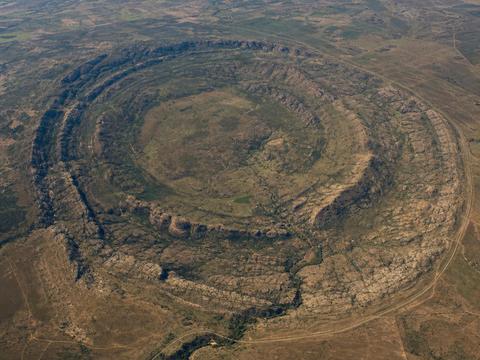
Vredefort Dome
The largest verified impact structure on Earth, originally about 300 km wide and 2 billion years old. The dome around Vredefort and Parys is a UNESCO World Heritage Site with tours and river trails. #giant #eroded #visitable
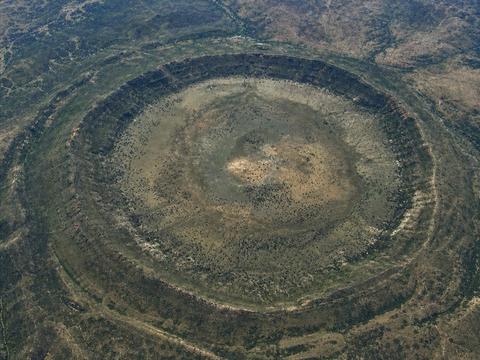
Aorounga Crater
A 12.6 km ringed structure in the Chadian Sahara, sculpted by wind into dramatic parallel ridges and possibly part of a crater chain. #large #eroded
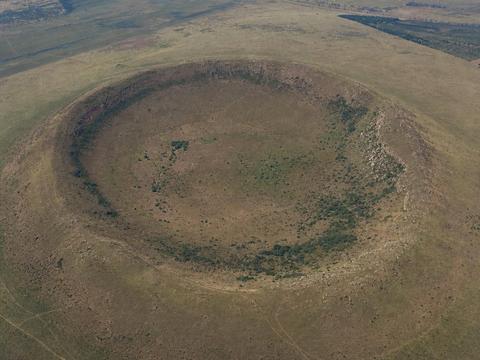
Tswaing Crater
A 1.1 km crater with a salt lake north of Pretoria, about 220,000 years old, with a walking trail around the rim and down to the floor. #small #lake #visitable
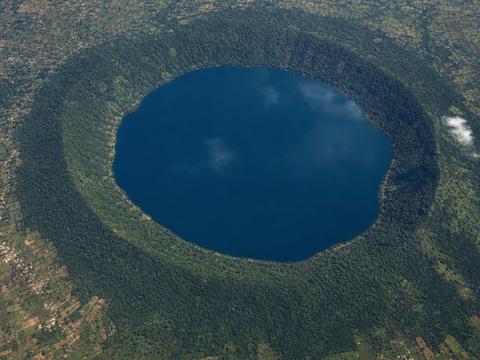
Lake Bosumtwi
A 10.5 km crater lake about 1.07 million years old and sacred to the Ashanti, the only large natural lake in Ghana. #large #lake #visitable
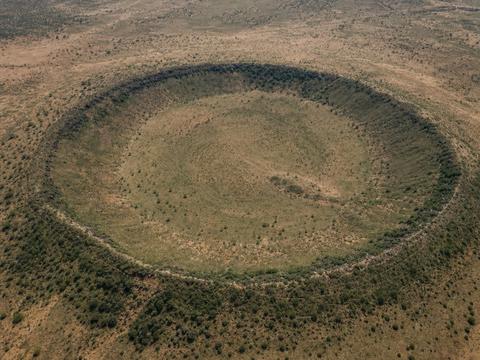
Morokweng Crater
A 70 km structure hidden beneath the Kalahari sands, about 145 million years old; a drill core even recovered a fragment of the asteroid itself. #large #buried
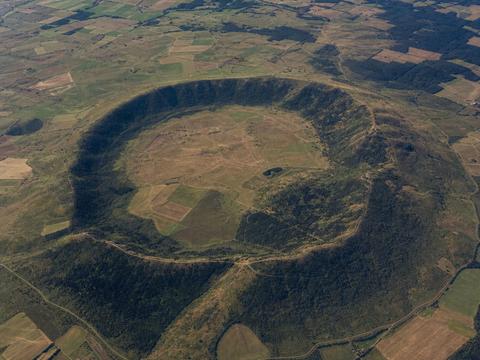
Roter Kamm Crater
A 2.5 km crater some 4 to 5 million years old in the dunes of Namibia's restricted diamond territory, best admired from the air. #small #exposed
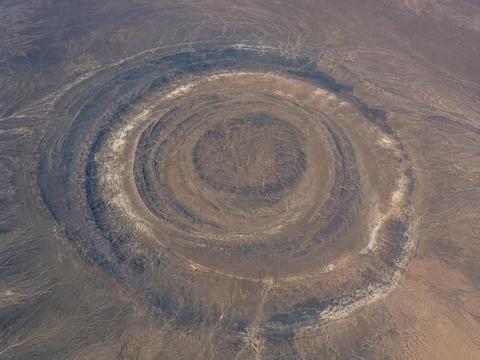
Amguid Crater
A pristine 450 m crater roughly 100,000 years old in a remote corner of the Algerian Sahara, its floor filled with bright wind blown silt. #small #exposed
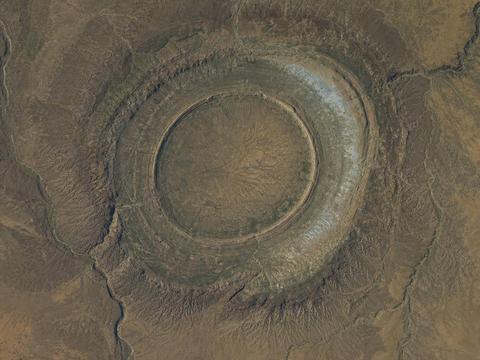
Kamil Crater
A tiny 45 m crater in southern Egypt under 5,000 years old, so fresh it still shows bright rays of ejecta; it was spotted in satellite imagery in 2008. #small #exposed #recent
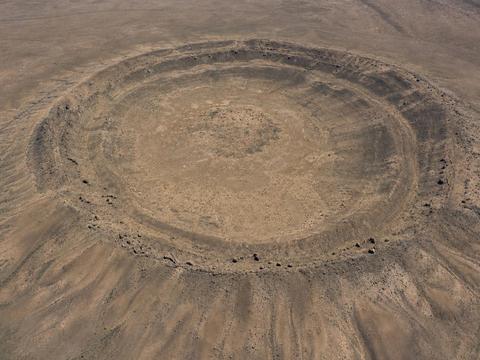
Tin Bider Crater
A 6 km multiring structure rising at the edge of the Tademait plateau in central Algeria. #small #eroded
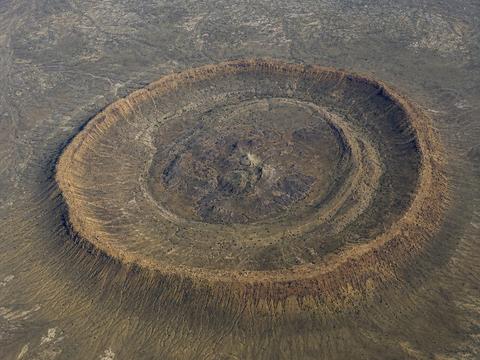
Tenoumer Crater
A near perfect 1.9 km circle in the Mauritanian desert, about 21,000 years old with steep walls rising 100 m above the crater floor. #small #exposed
Asia
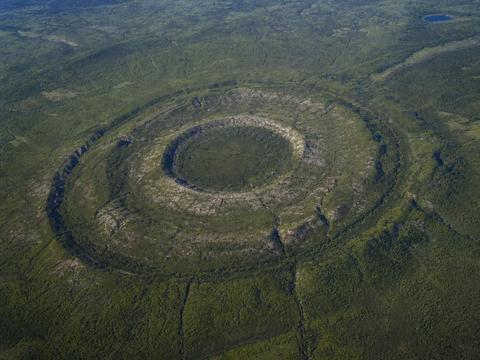
Sikhote-Alin Crater Field
Site of the largest witnessed iron meteorite fall in history, in February 1947, which peppered the taiga of the Russian Far East with over 100 small craters. #small #exposed #recent
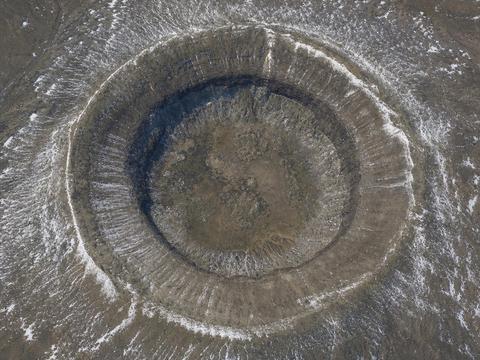
Kara Crater
A heavily eroded structure about 65 km wide near Russia's Kara Sea coast, roughly 70 million years old. #large #eroded
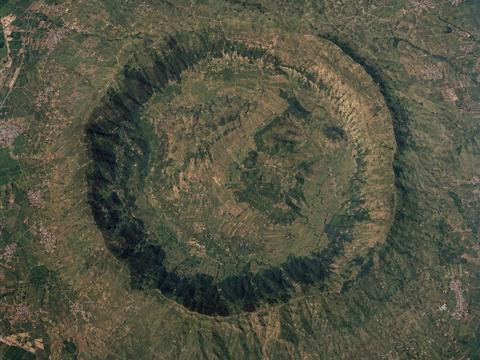
Xiuyan Crater
China's first confirmed impact crater, a 1.8 km bowl in the hills of Liaoning province about 50,000 years old. #small #exposed
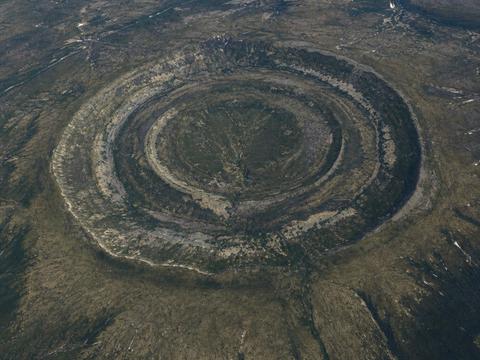
Popigai Crater
A 100 km crater in northern Siberia formed 35 million years ago; the impact flash converted graphite into trillions of carats of industrial diamonds. #giant #eroded
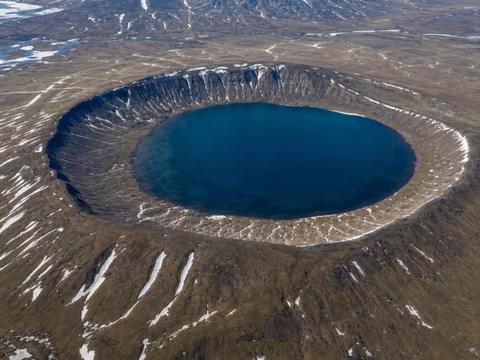
Elgygytgyn Crater
An 18 km crater in Chukotka about 3.6 million years old. Its lake was never glaciated, preserving a unique continuous Arctic climate archive. #large #lake
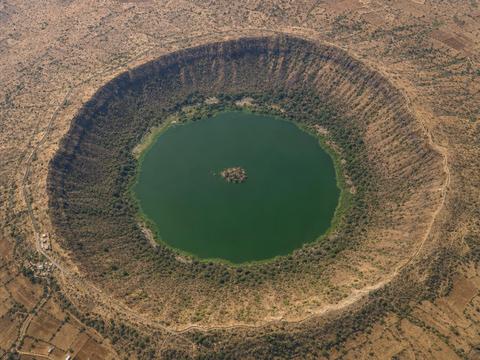
Lonar Crater
A 1.8 km crater lake in Maharashtra blasted into Deccan basalt, one of the very few impact craters formed in volcanic rock; ancient temples dot its rim and shore. #small #lake #visitable
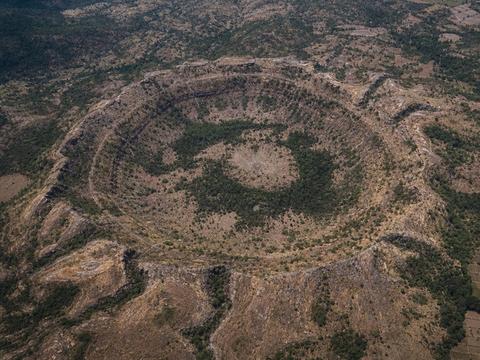
Ramgarh Crater
A 10 km ring in Rajasthan confirmed as an impact structure in 2019, with a village and an ancient temple at its center. #large #eroded #visitable
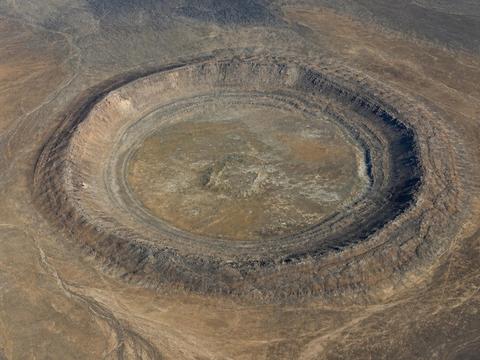
Karakul Crater
A 52 km structure in the Tajik Pamirs holding Lake Karakul at 3,900 m elevation, one of the highest impact craters on Earth. #large #lake
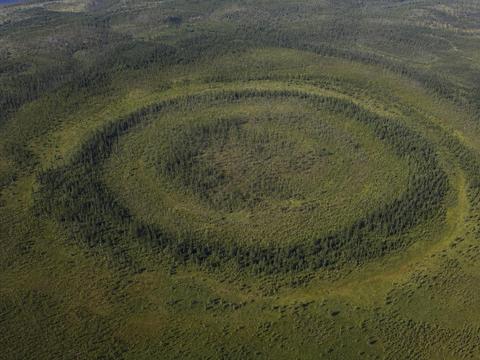
Tunguska Event Epicenter
Epicenter of the 1908 airburst that flattened some 2,000 square km of Siberian forest without leaving a crater, the largest impact event in recorded history. #recent
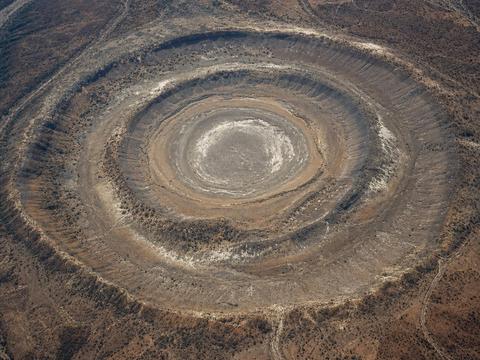
Wabar Craters
A group of small craters deep in Saudi Arabia's Empty Quarter, formed by an iron meteorite fall within the last few centuries and famous for its black impact glass. #small #exposed #recent
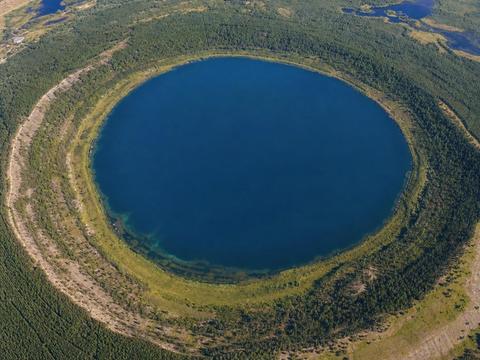
Lake Chebarkul (Chelyabinsk Meteorite)
Where the 2013 Chelyabinsk superbolide punched a hole through the ice after exploding over the city; a 570 kg chunk of the meteorite was later hauled from the lakebed. #lake #recent #visitable
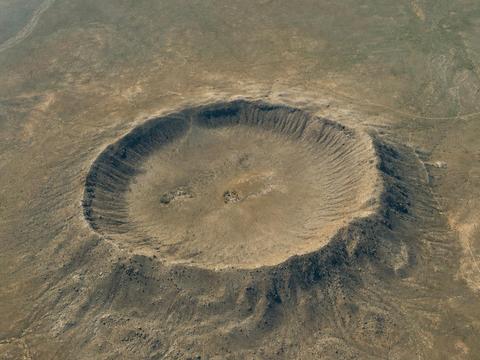
Zhamanshin Crater
A 14 km crater in Kazakhstan about 900,000 years old, the youngest impact known to have produced tektites. #large #eroded
Oceania
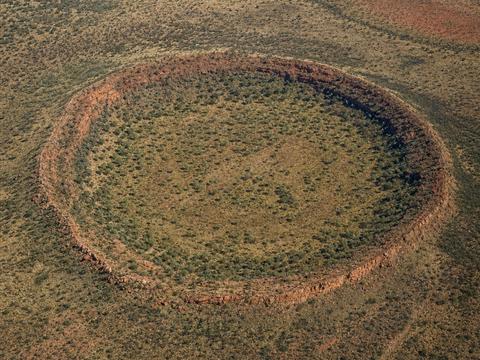
Wolfe Creek Crater
An 880 m crater about 120,000 years old at the edge of the Great Sandy Desert, among the largest craters with meteorite fragments still recovered around it; reachable by 4WD in the dry season. #small #exposed #visitable
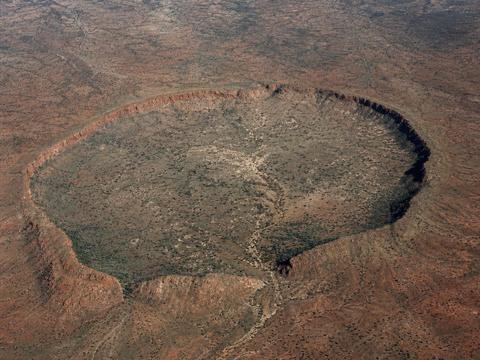
Gosses Bluff (Tnorala)
The 5 km central ring of a 22 km crater formed 142 million years ago west of Alice Springs, a sacred site known as Tnorala to the Western Arrernte people. #large #eroded #visitable
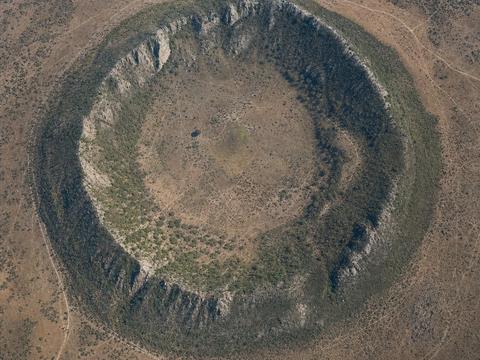
Woodleigh Crater
A buried structure near Shark Bay, Western Australia, at least 60 km wide and about 364 million years old, discovered through oil exploration drilling. #large #buried
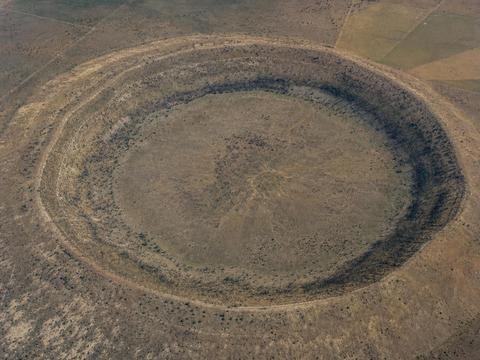
Acraman Crater
The eroded remains of a roughly 90 km impact 590 million years ago in South Australia, marked by salty Lake Acraman; its ejecta layer turns up 300 km away in the Flinders Ranges. #large #lake #eroded
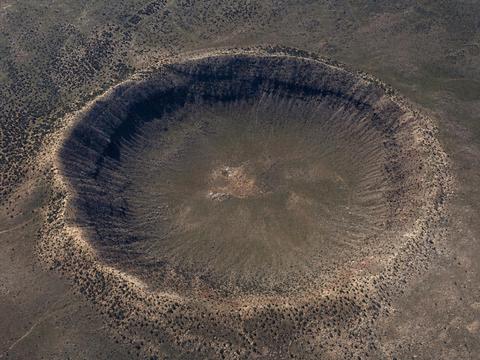
Shoemaker Crater
A deeply eroded 30 km structure in Western Australia, likely well over a billion years old and renamed to honor planetary geologist Eugene Shoemaker. #large #eroded
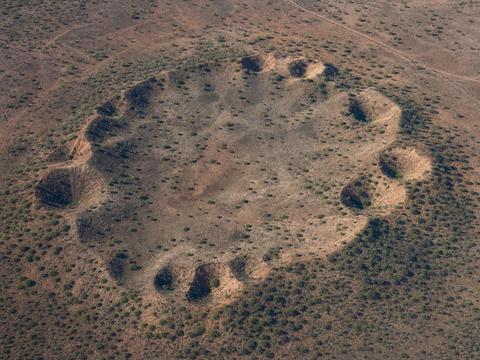
Henbury Craters
A field of over a dozen small craters south of Alice Springs, formed by an iron meteorite fall about 4,200 years ago and remembered in Aboriginal oral tradition. #small #exposed #visitable #recent
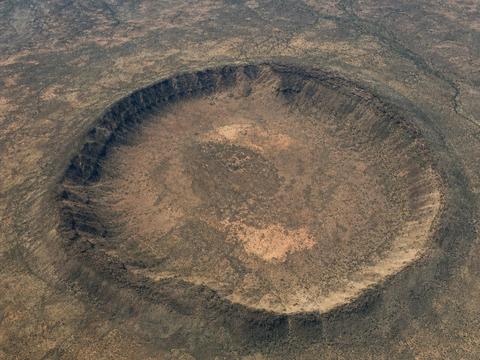
Yarrabubba Crater
Dated in 2020 to 2.229 billion years, the oldest confirmed impact structure on Earth, originally about 70 km across though almost erased at the surface. #large #eroded
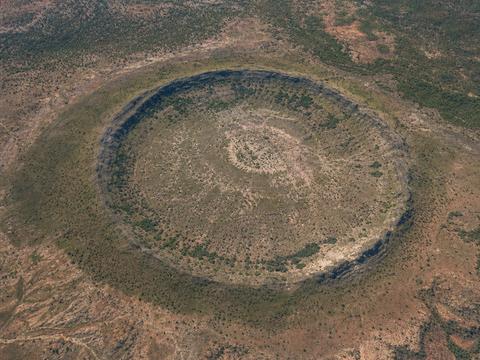
Lawn Hill Crater
An 18 km structure in northwest Queensland near Boodjamulla National Park, its ring of limestone hills rising above the plains. #large #eroded