The Real Places Behind Famous Paintings

All 40 places on this map are pinned at their exact location, grouped into 6 areas (Van Gogh, Monet & the Impressionists, Japan & Ukiyo-e and more). Each one comes with a short note on what it is and why it is worth your time. Browsing is free, and with an Ikuzo account you can copy the whole map and reshape it into your own trip.
Van Gogh
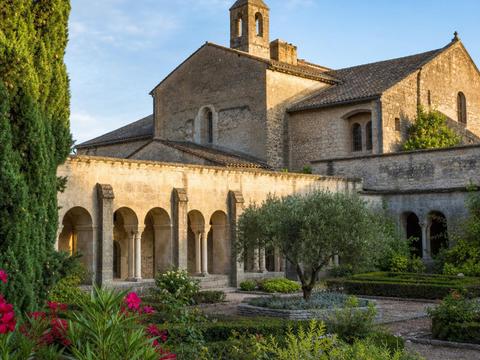
Saint-Paul de Mausole (The Starry Night)
Van Gogh committed himself to this asylum in May 1889 and painted about 150 canvases in a year, including The Starry Night, Irises and Wheat Field with Cypresses. You can visit his reconstructed room and the walled wheat field he saw from his window. The Starry Night hangs at MoMA in New York. #vangogh #postimpressionism #recognizable
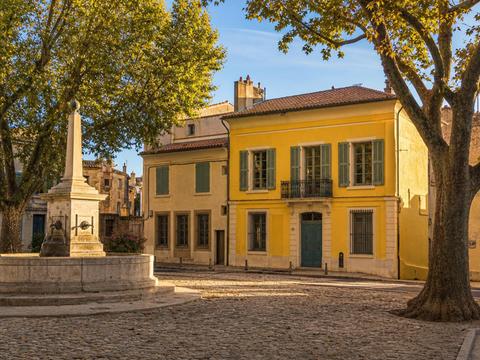
Yellow House site (Place Lamartine)
The Yellow House where Van Gogh lived and hosted Gauguin stood on this corner of Place Lamartine. The house itself was destroyed by a bombing in 1944, but the building behind it and the railway bridge from the painting are still there. The Yellow House hangs in the Van Gogh Museum in Amsterdam. #vangogh #postimpressionism
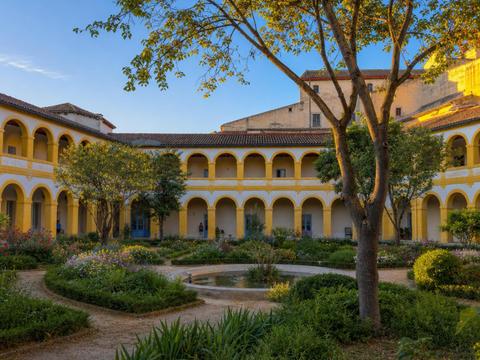
Espace Van Gogh (Hospital Garden)
The former hospital where Van Gogh was treated after the ear incident. He painted Garden of the Hospital in Arles from this courtyard in 1889, and the garden has been replanted to match the canvas, flower beds, pond and yellow arcades included. The painting is in the Oskar Reinhart Collection in Winterthur. #vangogh #postimpressionism #recognizable
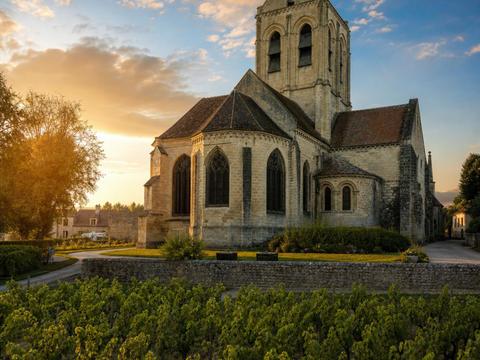
The Church at Auvers
The Church at Auvers, painted in June 1890 a few weeks before Van Gogh's death. The church is essentially unchanged and you can stand at the exact fork in the path behind the apse. The painting hangs at the Musée d'Orsay in Paris. #vangogh #postimpressionism #recognizable
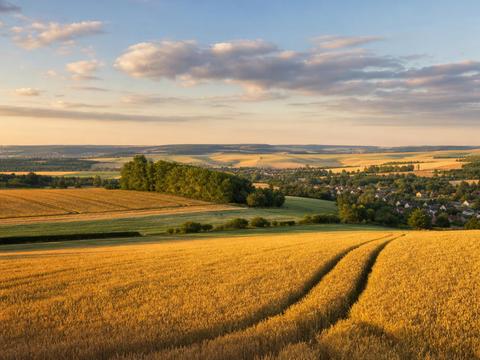
Wheatfield with Crows (Auvers plateau)
The open wheat fields on the plateau above Auvers where Van Gogh painted Wheatfield with Crows in July 1890, one of his very last works. The fields still stretch to the horizon, and Vincent and Theo are buried in the village cemetery right beside them. The painting hangs in the Van Gogh Museum in Amsterdam. #vangogh #postimpressionism #recognizable
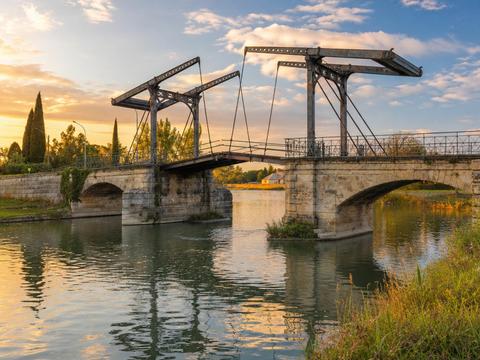
Pont Van Gogh (Langlois Bridge)
Van Gogh painted the Langlois drawbridge several times in spring 1888. The original is gone but an identical drawbridge from the same canal was moved here and restored, so the scene reads just like the painting. The best known version hangs in the Kröller-Müller Museum in Otterlo. #vangogh #postimpressionism #recognizable
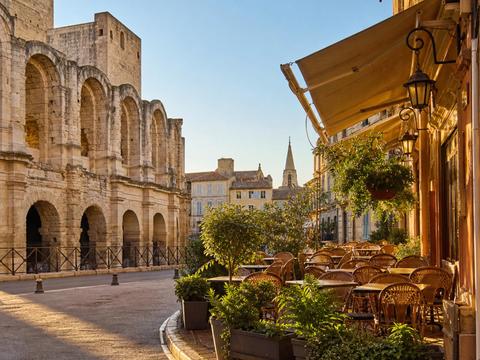
Café Terrace at Night (Place du Forum)
Vincent van Gogh painted Café Terrace at Night on this square in September 1888. The café on the corner still has its terrace and yellow awning, and the narrow street view matches the canvas almost exactly. The painting hangs in the Kröller-Müller Museum in Otterlo. #vangogh #postimpressionism #recognizable
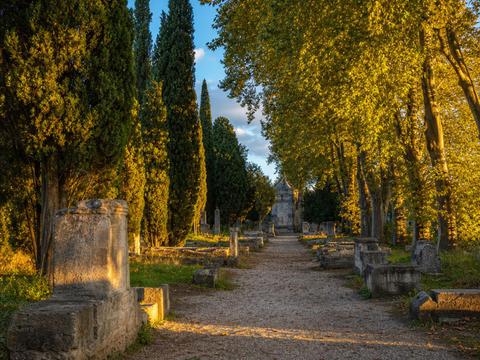
Les Alyscamps
This Roman necropolis lined with poplars and sarcophagi is where Van Gogh and Gauguin painted side by side in October 1888. The alley still looks much as it did in their canvases. Van Gogh's versions are spread between the Kröller-Müller Museum and private collections. #vangogh #postimpressionism #recognizable
Monet & the Impressionists
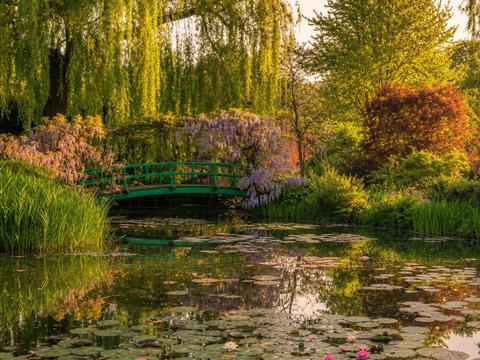
Monet's Garden and Lily Pond (Giverny)
Monet's garden, the lily pond and the Japanese bridge he painted for three decades, from the Water Lilies to the wisteria series. Everything is maintained to match the paintings. The great Water Lilies cycle hangs at the Musée de l'Orangerie in Paris. #monet #impressionism #recognizable
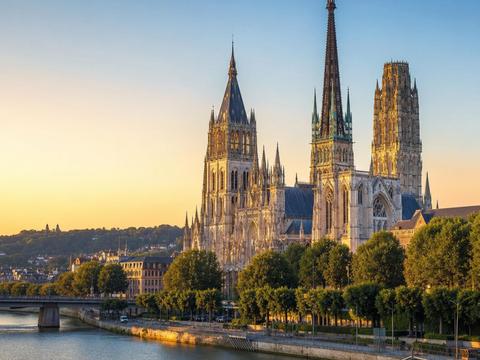
Rouen Cathedral
Monet painted the facade of Rouen Cathedral more than thirty times between 1892 and 1894, chasing the light at different hours from rented rooms across the square. The facade is unchanged. Several canvases of the series hang at the Musée d'Orsay in Paris. #monet #impressionism #recognizable
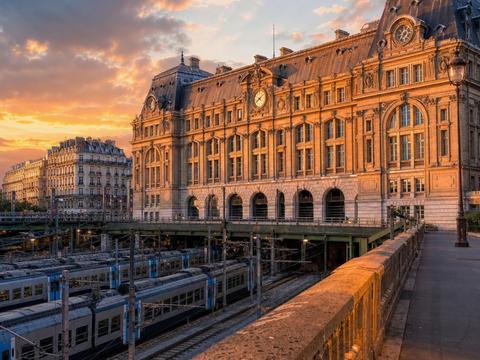
Gare Saint-Lazare
Monet set up his easel inside this station in 1877 and painted twelve views of steam, glass and iron. The train shed structure is still recognizable from the platforms. Canvases from the series hang at the Musée d'Orsay, the Art Institute of Chicago and the National Gallery in London. #monet #impressionism #recognizable
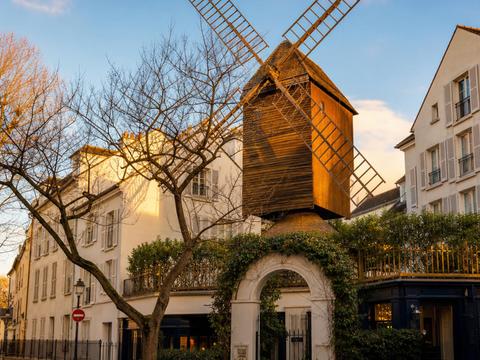
Moulin de la Galette (Montmartre)
The last surviving windmill of Montmartre, where Renoir painted Bal du moulin de la Galette in 1876, the open air dance under the trees. The mill still crowns the rooftops on Rue Lepic. The painting hangs at the Musée d'Orsay in Paris. #renoir #impressionism
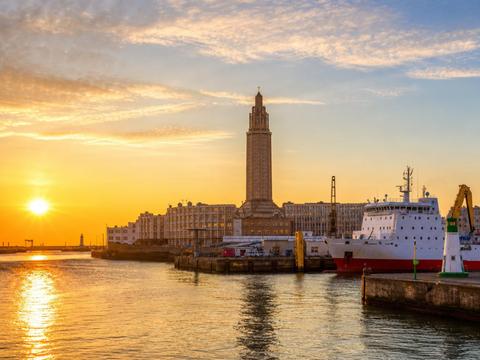
Impression Sunrise viewpoint (Le Havre port)
Monet painted Impression Sunrise from a window overlooking this harbor in 1872, the canvas that gave impressionism its name. The port has changed enormously since, but the orange sun still rises over the water and the cranes. The painting hangs at the Musée Marmottan Monet in Paris. #monet #impressionism
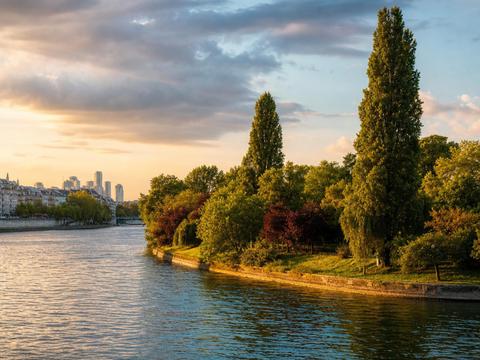
Île de la Grande Jatte
The island of Seurat's A Sunday Afternoon on the Island of La Grande Jatte, painted 1884 to 1886. It is now a quiet residential island with a riverside park where the promenade scene took place. The painting hangs at the Art Institute of Chicago. #seurat #pointillism #impressionism
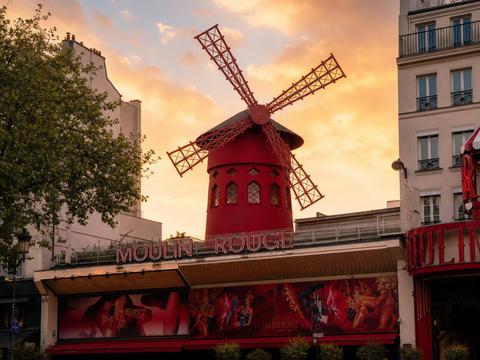
Moulin Rouge
Toulouse-Lautrec practically lived in this cabaret and painted its dancers, posters and nightlife, including At the Moulin Rouge. The red windmill still spins on Boulevard de Clichy. His great Moulin Rouge canvas hangs at the Art Institute of Chicago. #toulouselautrec #postimpressionism #recognizable
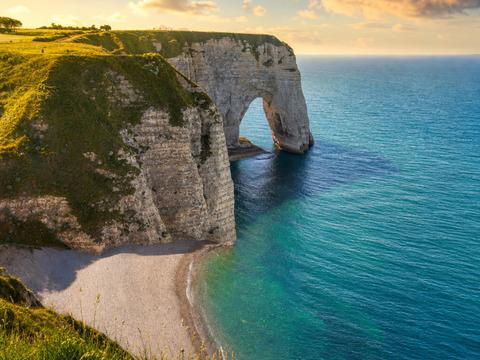
Falaise d'Aval (Étretat)
The arch and needle of the Falaise d'Aval were painted dozens of times by Monet in the 1880s, and before him by Courbet and Boudin. The chalk cliffs look exactly like the canvases. Monet's Étretat paintings hang at the Musée d'Orsay and many other museums. #monet #impressionism #recognizable
Japan & Ukiyo-e
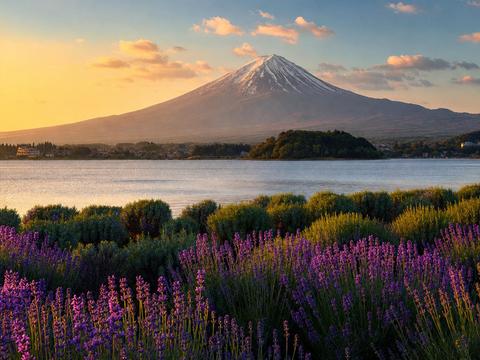
Red Fuji viewpoint (Oishi Park)
The north shore of Lake Kawaguchiko facing Mount Fuji, the classic viewpoint for the mountain Hokusai captured in Fine Wind, Clear Morning, the famous Red Fuji. At dawn in late summer the bare peak can still blush red exactly like the print. #hokusai #ukiyoe #recognizable
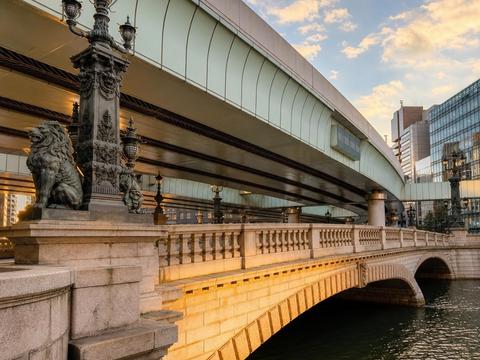
Nihonbashi Bridge
The starting point of the Tokaido road and the first print of Hiroshige's Fifty-three Stations of the Tokaido. The wooden bridge became this stone one in 1911, and the expressway built above it in 1963 is slowly being moved underground to reopen the sky of the prints. #hiroshige #ukiyoe
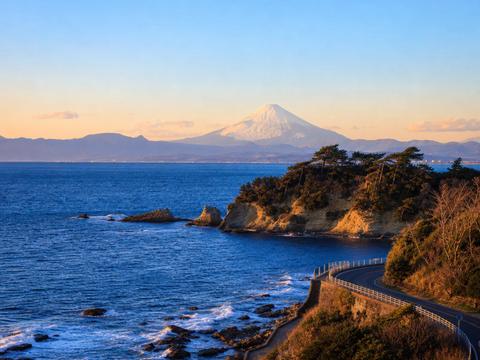
Great Wave viewpoint (Inamuragasaki)
A cape on the Sagami Bay coast of Kanagawa, the province that named Hokusai's The Great Wave off Kanagawa from around 1831. The print shows the open sea offshore, so any exact spot is approximate, but on clear days you get the same composition here, waves in front and Mount Fuji floating behind. Prints are held by the Met, the British Museum and many others. #hokusai #ukiyoe
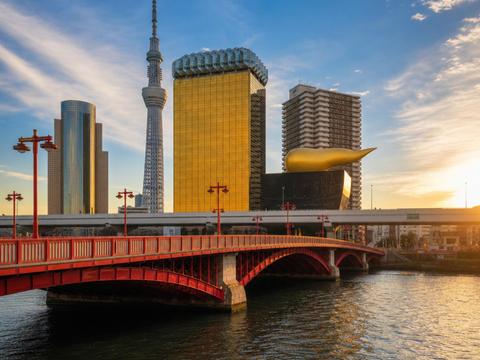
Shin-Ohashi Bridge (Sudden Shower)
Hiroshige's Sudden Shower over Shin-Ohashi Bridge and Atake from 1857 shows people caught in the rain on this Sumida River crossing. Today's bridge is a modern one slightly upstream of the original, and Van Gogh famously copied the print in oil. Impressions are held by the Brooklyn Museum and many others. #hiroshige #ukiyoe
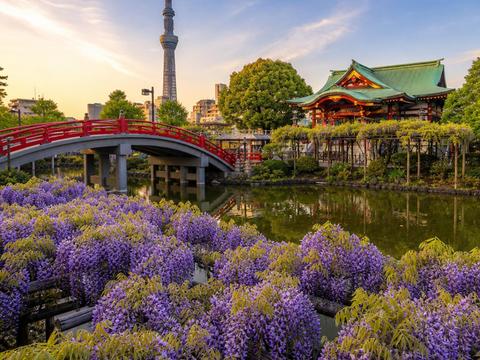
Kameido Tenjin Shrine
Hiroshige printed this shrine's plum garden and its wisteria over the drum bridge in One Hundred Famous Views of Edo, and Van Gogh copied the plum tree print in oil in 1887. The red drum bridge and the wisteria in late April still match the scene. #hiroshige #ukiyoe #recognizable
Northern Europe
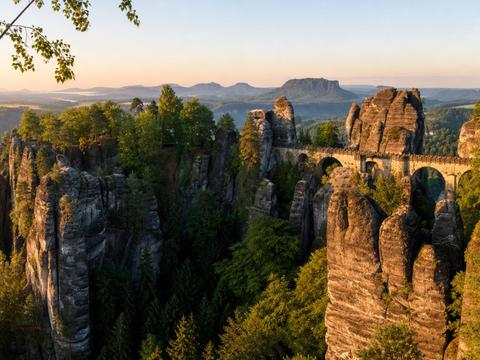
Bastei (Wanderer above the Sea of Fog)
The sandstone pinnacles of Saxon Switzerland inspired Caspar David Friedrich's Wanderer above the Sea of Fog around 1818. The painting is a composite of rock formations from this area, and on misty mornings the view from the Bastei delivers the exact mood. The painting hangs at the Hamburger Kunsthalle. #friedrich #romanticism
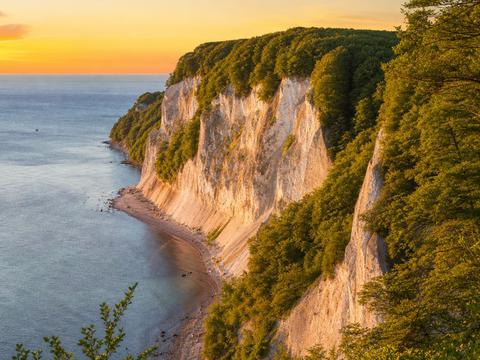
Königsstuhl chalk cliffs (Rügen)
Friedrich painted Chalk Cliffs on Rügen after his honeymoon here in 1818. Erosion has reshaped the cliffs since, notably the Wissower Klinken collapse of 2005, but the white chalk dropping into the turquoise sea remains pure Friedrich. The painting is at the Kunst Museum Winterthur. #friedrich #romanticism
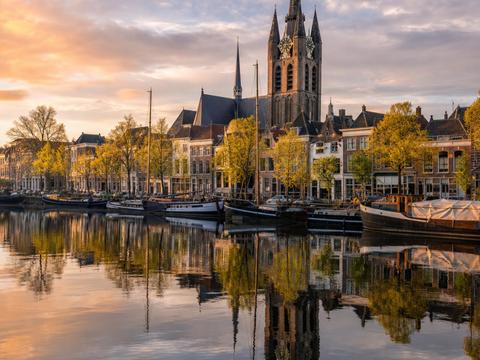
View of Delft spot (Hooikade)
Vermeer painted View of Delft from an upper room near this quay around 1660, looking across the harbor to the city gates. The gates are gone but the water, the rooflines and the Nieuwe Kerk tower still line up. The painting hangs at the Mauritshuis in The Hague. #vermeer #dutchgoldenage #recognizable
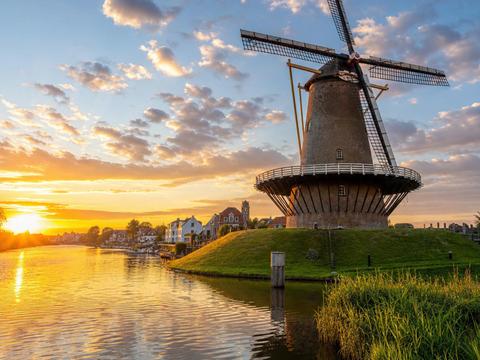
Windmill at Wijk bij Duurstede
Jacob van Ruisdael painted The Windmill at Wijk bij Duurstede around 1670. The exact mill he painted was demolished long ago, but this mill stands close to the spot on the Lek river and the wide Dutch sky does the rest. The painting hangs at the Rijksmuseum in Amsterdam. #ruisdael #dutchgoldenage
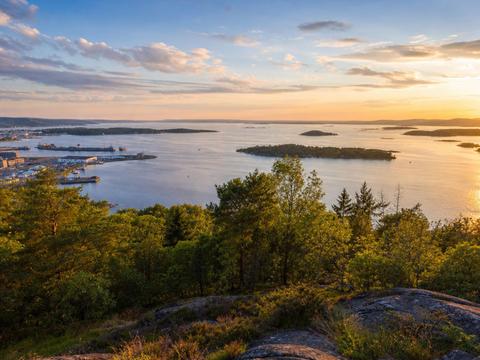
The Scream viewpoint (Ekeberg)
Munch was walking this hillside above the Oslofjord when he felt what he called a great scream pass through nature, and The Scream of 1893 shows the view with the fjord and city below. The panorama from the Ekeberg slope still matches the swirling backdrop. The painting hangs in the National Museum and the Munch Museum in Oslo. #munch #expressionism #recognizable
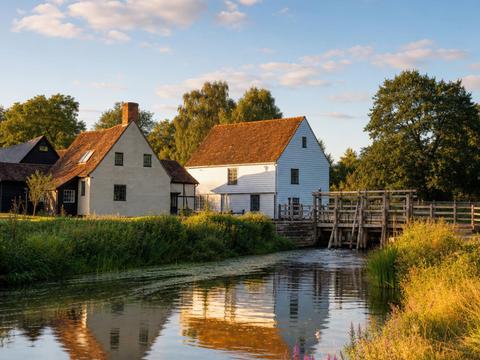
Flatford Mill (The Hay Wain)
Constable grew up here and painted The Hay Wain in 1821 looking across the mill pond to Willy Lott's cottage. Cottage, mill and pond are all preserved by the National Trust and the view is astonishingly intact. The painting hangs at the National Gallery in London. #constable #romanticism #recognizable
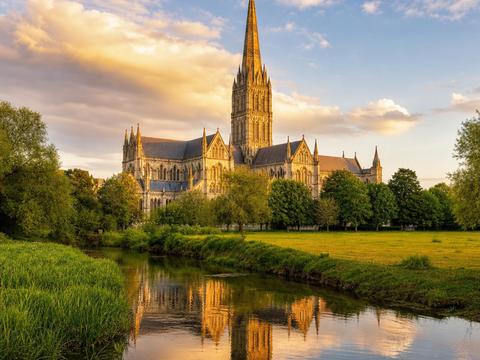
Salisbury Cathedral from the Meadows
Constable painted Salisbury Cathedral from the Meadows in 1831, the spire under a stormy sky and a rainbow. Walk the water meadows along the Avon south west of the cathedral close and the view is still there, spire and all. The painting hangs at Tate Britain in London. #constable #romanticism #recognizable
Mediterranean Light
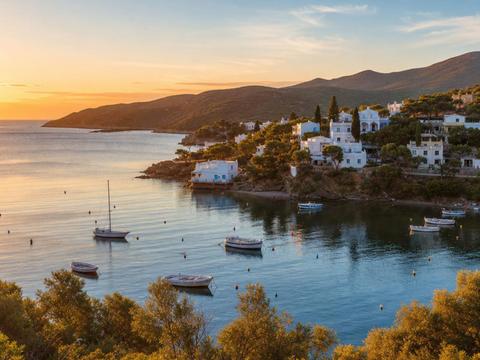
Portlligat (Dalí's bay)
The tiny bay where Dalí lived and worked for fifty years. Its rocks and water appear in The Madonna of Port Lligat and dozens of other works, and the cliffs of nearby Cap de Creus shaped the coastline of The Persistence of Memory. His house is now a museum. #dali #surrealism #recognizable
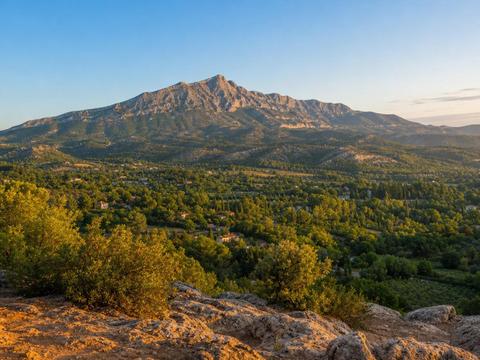
Terrain des Peintres (Mont Sainte-Victoire)
A terraced garden on the Lauves hill where Cézanne painted Mont Sainte-Victoire again and again in his final years. Reproductions on site let you compare the mountain with his canvases from the very spot, and his studio is a short walk downhill. The series hangs everywhere from the Musée d'Orsay to the Philadelphia Museum of Art. #cezanne #postimpressionism #recognizable
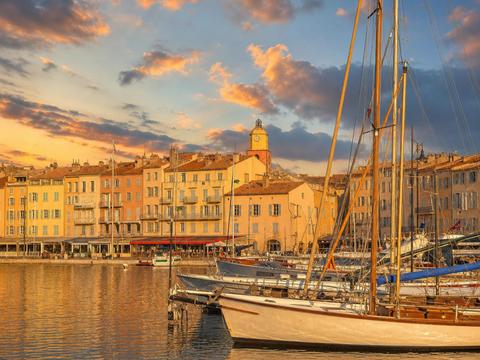
Vieux Port de Saint-Tropez
Signac sailed into this port in 1892, bought a house and painted the harbor in shimmering pointillist dots, drawing Matisse and Bonnard after him. The old port with its fishing boats and pastel facades is still instantly recognizable. His Saint-Tropez canvases hang at the Musée de l'Annonciade right on the port. #signac #pointillism #recognizable
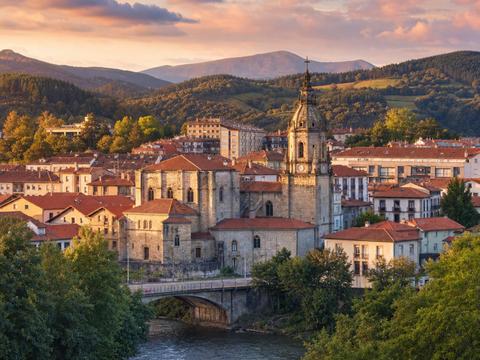
Gernika (Guernica)
The Basque town bombed in April 1937, the event behind Picasso's Guernica. The painting is a cry rather than a view, so there is nothing to match, but the Casa de Juntas and the old oak of Gernika survived the raid and anchor the town's memory, alongside a full size tile copy of the painting. Guernica hangs at the Museo Reina Sofía in Madrid. #picasso #cubism
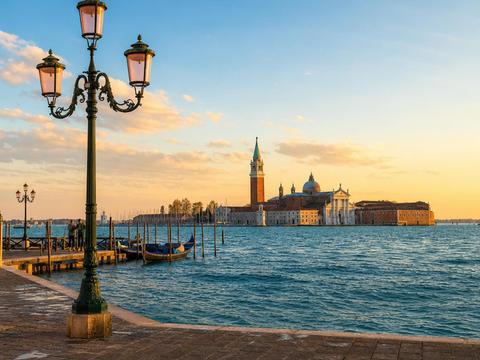
Riva degli Schiavoni (San Giorgio view)
The waterfront where Canaletto set his vedute and Turner his hazy visions, looking across the basin to San Giorgio Maggiore. Monet painted the same island at dusk in 1908. Venice is the rare place where the eighteenth century view needs no imagination at all. #canaletto #turner #monet #recognizable
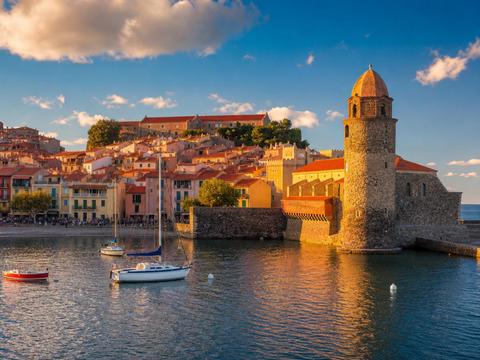
Collioure (birthplace of Fauvism)
Matisse and Derain spent the summer of 1905 painting this harbor in screaming color, and Fauvism was born here. The bell tower of Notre-Dame des Anges appears in canvas after canvas and is unmistakable today. Their Collioure works hang at MoMA, the Centre Pompidou and beyond. #matisse #derain #fauvism #recognizable
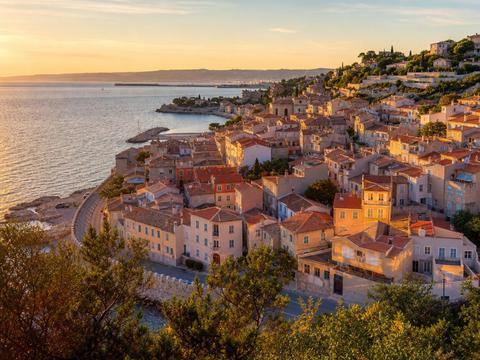
L'Estaque
Cézanne painted the Gulf of Marseille from this fishing village many times, and in 1908 Braque's angular Houses at L'Estaque helped launch cubism. The harbor and the view across the bay are still worth the pilgrimage. Cézanne's Estaque views hang at the Musée d'Orsay and the Art Institute of Chicago. #cezanne #braque #cubism
Americas
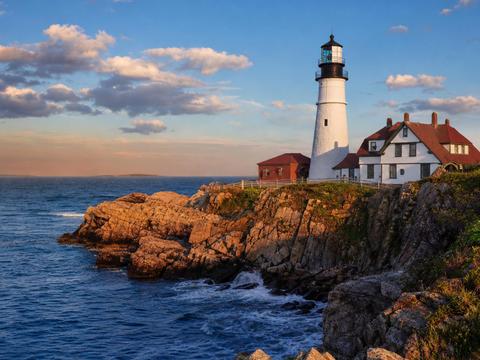
Cape Elizabeth Lighthouse (Two Lights)
Edward Hopper painted Lighthouse at Two Lights in 1929, the white tower and keeper's house blazing in coastal sunlight. The eastern light of Cape Elizabeth still looks exactly like the canvas. The painting hangs at the Metropolitan Museum of Art in New York. #hopper #recognizable
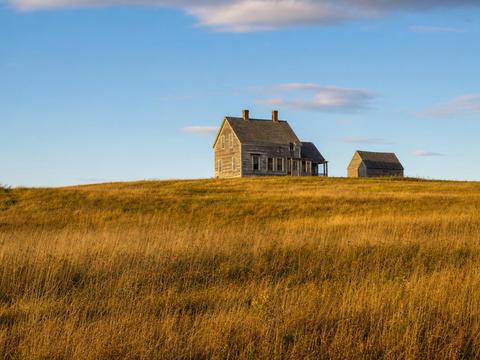
Olson House (Christina's World)
The weathered farmhouse of Christina's World, painted by Andrew Wyeth in 1948. Wyeth painted the Olson farm for thirty years, and the house and the sloping field Christina crawls across are preserved by the Farnsworth Art Museum. The painting hangs at MoMA in New York. #wyeth #recognizable
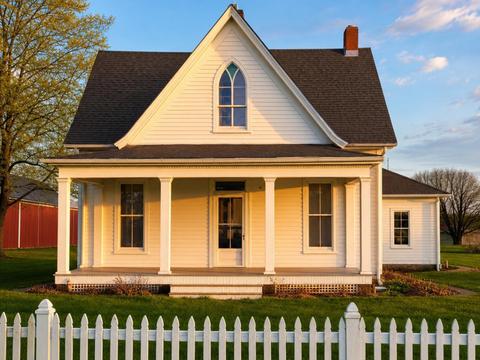
American Gothic House (Eldon)
The 1881 Carpenter Gothic cottage with the famous pointed window that Grant Wood sketched in 1930 before adding the farmer and his daughter. The house still stands and the visitor center lends out pitchforks for photos. American Gothic hangs at the Art Institute of Chicago. #grantwood #regionalism #recognizable
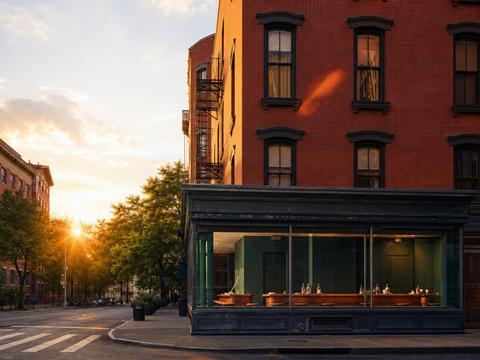
Nighthawks corner (Mulry Square)
The most cited candidate for the diner in Edward Hopper's Nighthawks of 1942. Hopper said the scene was suggested by a restaurant on Greenwich Avenue where two streets meet, but no exact diner has ever been confirmed, so treat this corner as an educated guess. Nighthawks hangs at the Art Institute of Chicago. #hopper
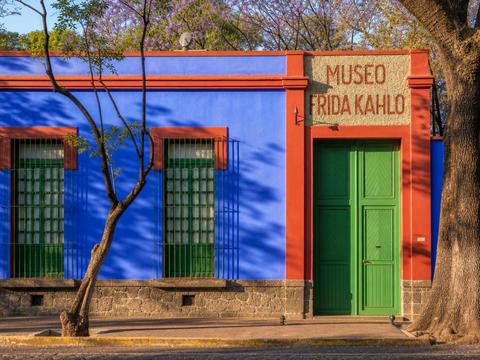
Casa Azul (Museo Frida Kahlo)
Frida Kahlo was born, worked and died in this cobalt blue house, and its rooms, garden and colors seep into her self portraits. Her studio and unfinished works are kept as she left them. The Two Fridas, painted here in 1939, hangs at the Museo de Arte Moderno across town. #fridakahlo #surrealism