Japan 20 Days - Tokyo, Niigata, Sado Island, Kanazawa, Kyoto & Osaka - Autumn 2026

All 57 places on this map are pinned at their exact location, grouped into 9 areas (Days 1-5 - Tokyo, Day 6 - Nagano, Day 7 - Matsumoto and more). Each one comes with a short note on what it is and why it is worth your time. Browsing is free, and with an Ikuzo account you can copy the whole map and reshape it into your own trip.
Days 1-5 - Tokyo
teamLab Planets
Immersive barefoot digital art museum. Book timed tickets ahead.
Shibuya Sky
Open-air rooftop deck over the Shibuya scramble. Book a sunset slot.
Tokyo Skytree
634m tower with city-wide views, lit up after dark.
Ameyoko Market
Lively market street under the Ueno train tracks.
Yanaka Ginza
Old-town shopping street, the local everyday Tokyo you are after.
Hamarikyu Gardens
Edo lord's garden with a teahouse on the pond, skyscrapers behind.
Omoide Yokocho
Tiny smoky alley of yakitori stalls by Shinjuku Station.
Tsukiji Outer Market
Street-food maze for sushi, tamago and seafood. Go hungry in the morning.
Senso-ji (Asakusa)
Tokyo's oldest temple, the Nakamise street and the giant red lantern.
Toki no Kane (Kawagoe)
Edo bell tower over Kawagoe's warehouse street, an easy day trip.
Day 6 - Nagano
Zenko-ji Temple
Nagano's great temple, with an underground 'key to paradise' pitch-dark walk.
Jigokudani Monkey Park
Snow monkeys in the hot spring. Late October is early, they may be sparse.
Day 7 - Matsumoto
Matsumoto Castle
Original black 'Crow Castle', striking with autumn color. Commenters debated if it earns the detour.
Daio Wasabi Farm
Photogenic wasabi farm with water wheels, in Azumino near Matsumoto.
Day 8 - Niigata
Pier Bandai Market
Riverside market hall for fresh seafood bowls and local food.
Ponshukan (Sake Tasting)
Coin-op tasting wall of 100+ Niigata sakes, right in the station.
Old Saito Family Villa
Niigata merchant villa with a tiered garden, gorgeous in autumn.
Day 9 - Sado Island
Kitazawa Flotation Plant
Mossy ruins of a huge ore-processing plant, a Laputa-like sight on Sado.
Sado Kinzan Gold Mine
Edo-era gold mine you walk through, Sado's signature sight.
Ryotsu Port (Sado Ferry)
Main Sado ferry port. Note the fast ferry lands far from the gold mine, plan the day.
Days 10-11 - Kanazawa
Higashi Chaya District
Preserved geisha teahouse district with gold-leaf shops.
Nagamachi Samurai District
Earthen-walled lanes of the old samurai quarter.
Kenroku-en Garden
One of Japan's three great gardens, glowing in autumn color.
Kanazawa Castle Park
Reconstructed castle and grounds beside Kenrokuen.
Omicho Market
Kanazawa's lively market for seafood bowls and snacks.
Days 12-15 - Kyoto
Kinkaku-ji (Golden Pavilion)
The Golden Pavilion shimmering over its pond. Pair with Ryoan-ji nearby.
Fushimi Inari Taisha
Endless vermilion torii up the mountain. Go before 8am to beat the crowds.
Sanjusangendo
Hall of 1001 golden Kannon statues, quietly stunning.
Ginkaku-ji (Silver Pavilion)
The Silver Pavilion and its raked sand cone, lovely in autumn.
Ryoan-ji
The famous zen rock garden. Pair it with Kinkaku-ji.
Philosopher's Path
Canal-side walk from Ginkaku-ji toward Nanzen-ji, golden in late autumn.
Nishiki Market
Kyoto's narrow food market, snacks, pickles and knives.
Nijo Castle
Shogun's palace with squeaking nightingale floors.
Kiyomizu-dera
Hillside temple with the big wooden stage. Peak crowds and peak views in fall.
Days 16-20 - Osaka & Day Trips
Osaka Castle
Landmark castle and park. Himeji is the better castle if you can swap.
Shinsekai
Retro Osaka district under Tsutenkaku tower, kushikatsu central.
Dotonbori
Neon canal of street food, the Glico sign and takoyaki.
Himeji Castle
Japan's finest original castle, the White Heron. A strong day trip from Osaka.
Todai-ji & Nara Park
Great Buddha hall and the free-roaming deer of Nara Park.
Kitano Ijinkan (Kobe)
Kobe's hillside district of old Western merchant houses.
Katsuo-ji (Daruma Temple)
Hillside daruma temple north of Osaka, beautiful autumn foliage.
Recommendations
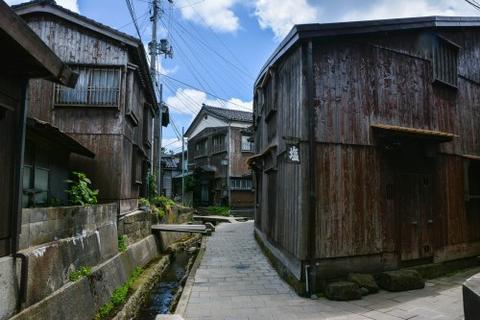
Shukunegi
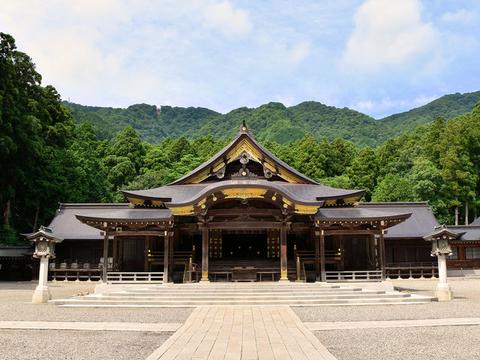
Yahiko Shrine
弥彦神社
Pontocho Area
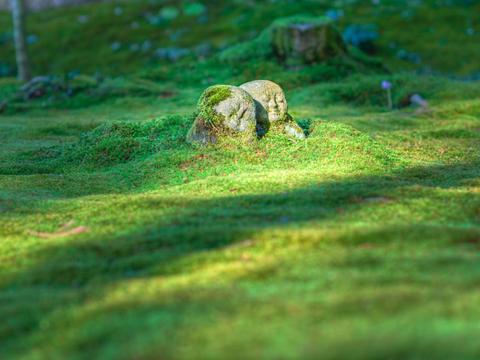
Sanzen-in Temple
Coordinates: 35.1197,135.8344
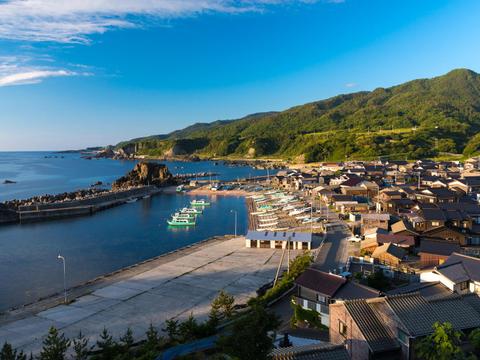
Ogi Coast
The Ogi Coast stretches about 16 km from Shiroyamadai in Ogi to Mikoiwa in Sawasaki. The varied coastline, formed by volcanic activity, is designated as a Japan National Monument and Scenic Site under the name of Sado Ogi Coast. The area is home to many scenic spots, such as Yajima and Kyojima, Nansenkyo, and a plateau of pillow lava in Sawasaki. The Ogi Coast is also known for its tub-boat fishing, on which people can get around rocky shores easily.
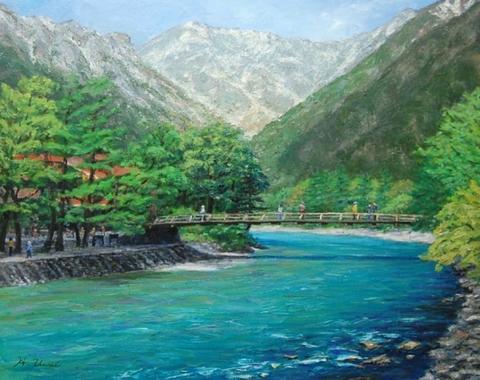
Kamikochi
上高地公式
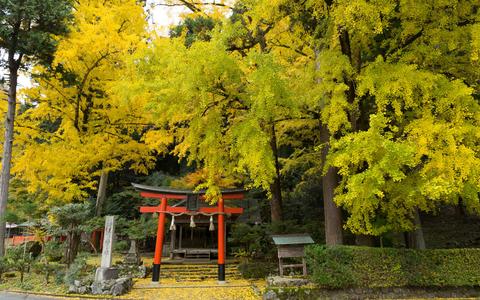
Iwato-Ochiba Shrine
岩戸落葉神社 #torii
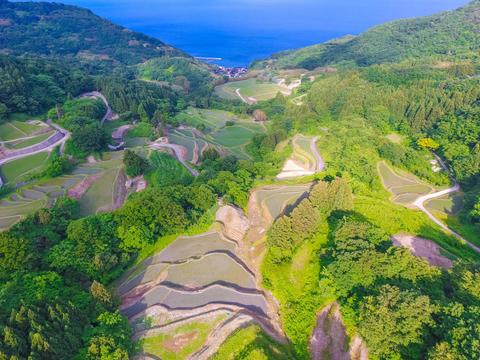
Iwakubi Shoryu Tanada
The terraced rice field stretches in the mountains over 350m high in the Iwakubi area. The rice paddies have been passed down since around the Edo Period, and about 460 paddies remain until today. Making full use of the land with a steep slope, local people cultivate the rice fields in various size and shapes, which stretch to the top of the mountain like a dragon rising high into the sky.
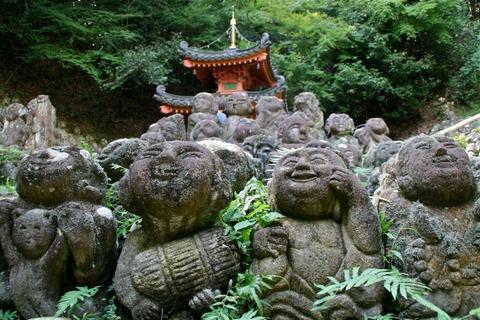
Otagi Nenbutsu-ji
Narai
奈良井 #village
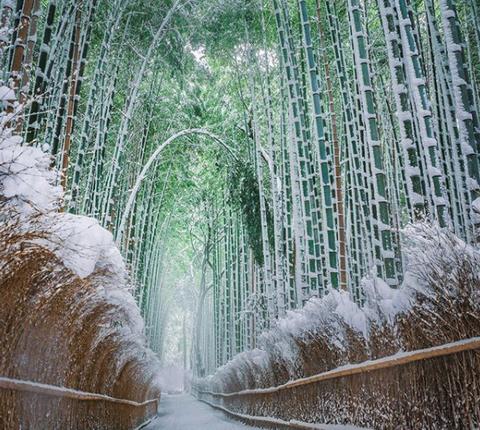
Arashiyama
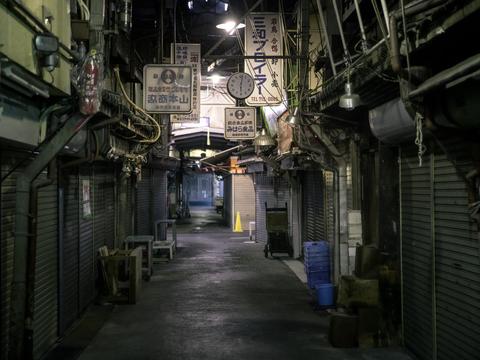
Tsuruhashi
Tsuruhashi is the center of Osaka's Korea Town, and it is well known for its many Korean restaurants, Korean shops, and Korean super markets.
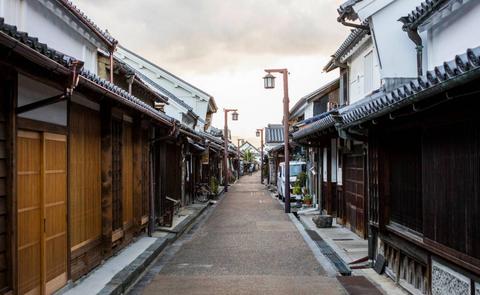
Imaicho Town
今井町 #village
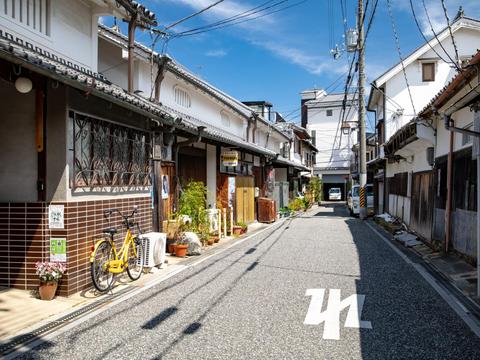
Jinaimachi
A town protected by moats or earthworks with Buddhist temples at its center. Jinai-machi of Tondabayashi was built around 1558-1569.